Do Ragdoll cats shed? It’s one of the most common questions I get from people considering the breed — and it makes sense, because they have long, plush coats and the assumption is that long-haired cats shed everywhere. In my experience, Ragdolls actually shed less than you’d expect. I’ll explain why, what affects it, and what you can do to keep it manageable.
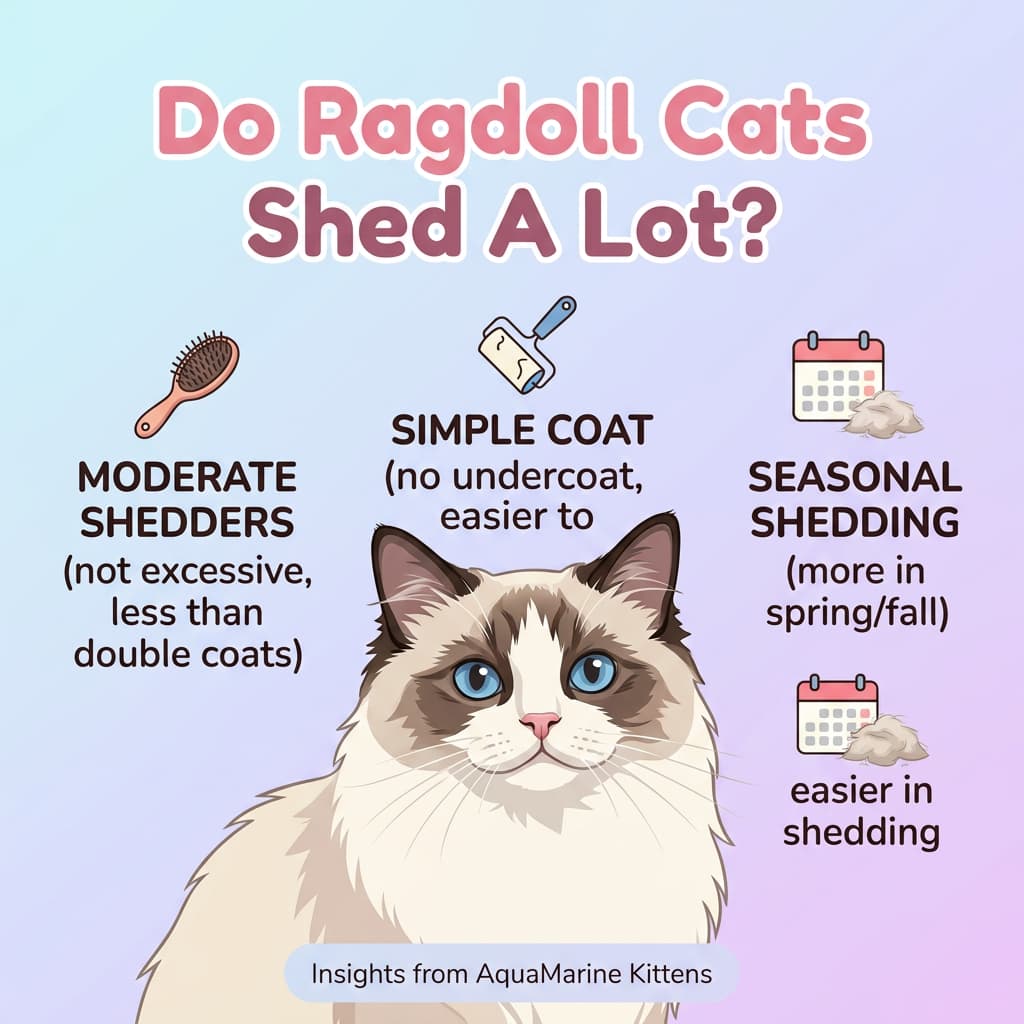
Table of Contents
Do Ragdoll Cats Shed? The Short Answer
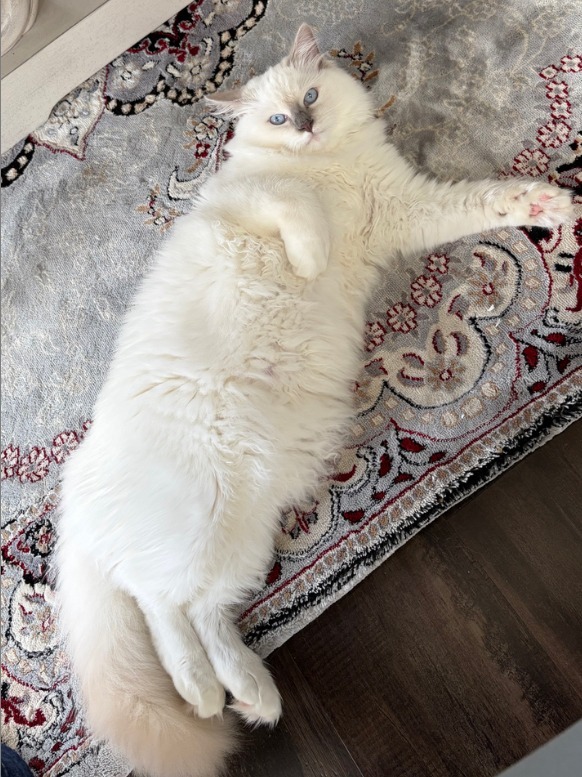
Yes — Ragdoll cats do shed. But the answer to how much do Ragdoll cats shed is: less than you’d probably expect for a long-haired cat. Their coat is semi-longhaired and — crucially — it’s a single layer with no dense undercoat. That’s the main reason shedding is lower and more manageable than with many other fluffy breeds.
That said, every cat is different. How much a Ragdoll sheds can vary based on their diet, breeding lines, the time of year, and individual genetics. My experience is on the lower end of the scale — I genuinely don’t find them to shed much — but some owners report more than others, and that’s real too. More on why below.
Why Ragdolls Shed Less Than Other Long-Haired Cats
The key is the coat structure. Most heavy-shedding long-haired cats — like the Maine Coon, Norwegian Forest Cat, or a typical domestic long-hair — have a thick double coat. There’s a soft, dense undercoat sitting beneath the longer guard hairs, and when that undercoat sheds seasonally, it sheds a lot. That’s where the tumbleweeds of fur come from.
Ragdolls have a single-layer coat. There’s no dense undercoat underneath. According to the TICA Ragdoll breed standard, the Ragdoll coat is described as semi-long, silky, and minimal in undercoat — which is a defining feature of the breed. That single-layer coat simply produces less shed hair than a double-coated breed of the same fur length.
It also means the shed hair that does come out tends not to mat or clump as badly. With double-coated breeds, the undercoat can knot and mat before it even falls out. Ragdoll fur tends to shed more cleanly.
My Personal Experience With Ragdoll Shedding
I want to be honest here because the answer to “do Ragdoll cats shed a lot” depends on what you’re comparing them to and what your expectations are going in.
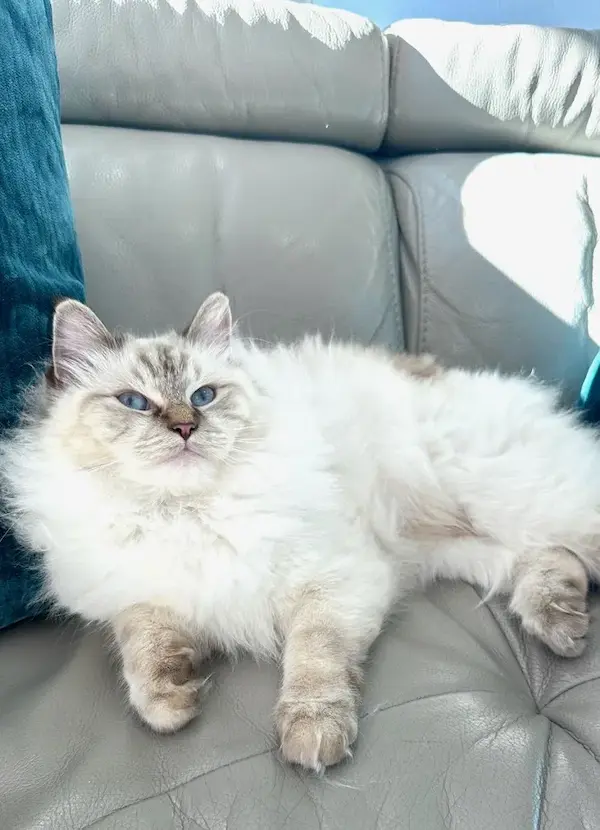
In my experience, I find them to shed pretty low. When I had my first domestic shorthair — a regular short-haired mixed-breed — she shed way more than my Ragdolls do. And that’s the comparison that surprises most people: a short-haired cat shedding more than a long-haired one. But it’s genuinely common, because those short-haired domestic cats often have denser undercoats that shed heavily, while a Ragdoll’s single-layer coat just doesn’t produce the same volume of shed hair.
From Our Cattery — AquaMarine Kittens
I don’t find my Ragdolls shedding much at all day to day. That said, I do think it can depend on the breeder lines and how the coat has been bred over generations. Some lines have plushier, thicker coats that may shed a bit more than others. Everyone’s experience will be a bit different — I can only speak to what I see here. If you’re asking me directly, I’d say they’re one of the lower-shedding long-haired cats I’ve kept.
When Do Ragdoll Cats Shed the Most?
Like all cats, Ragdolls go through seasonal coat transitions. The two main shedding peaks are spring and fall.
In spring, they lose the heavier coat they’ve been carrying through winter. In fall, the lighter summer coat sheds to make room for the thicker winter coat coming in. These transitions usually last a few weeks and you’ll notice more fur on furniture, on your clothes, and in the brush during these periods.
- Spring (March–May): Heaviest shed of the year. The winter coat comes out and you’ll notice more fur in the brush and on surfaces. More frequent brushing during this period makes a real difference.
- Summer (June–August): Lighter shedding. The coat is at its shortest and thinnest for the year and day-to-day shedding is at its lowest.
- Fall (September–November): Second shedding peak. The summer coat transitions out. Usually less intense than spring but still more than baseline.
- Winter (December–February): Coat is at its fullest and thickest. Shedding is relatively low while the winter coat is established.
Indoor cats in climate-controlled homes sometimes shed more evenly throughout the year because consistent temperatures and artificial light affect the natural seasonal signals. Don’t be surprised if your indoor Ragdoll seems to shed in a pattern that doesn’t quite follow the seasons — it’s common.
What Affects How Much a Ragdoll Cat Sheds
This is the part that explains why two people can own Ragdolls and have completely different shedding experiences. Several things genuinely affect how much an individual Ragdoll sheds:
- Diet. This is a big one. A Ragdoll on a high-quality, protein-rich diet — raw or a good wet food — will have a healthier coat that sheds less and looks better overall. Poor diet shows in the coat first: dullness, dryness, and more shedding. A Ragdoll on dry kibble as the sole diet will often shed more than the same cat on a moisture-rich raw or wet food diet.
- Breeding lines and how the coat was bred. This is something most articles don’t mention, but it matters. Not all Ragdoll coats are the same. Some lines produce plushier, denser coats that shade toward more shedding. Others have the classic silky, lower-shed coat. If shedding is a concern for you, it’s worth asking the breeder directly about what they see in their cats’ coats day to day.
- Grooming frequency. Regular brushing doesn’t stop shedding — it captures loose hair before it lands on your furniture. A Ragdoll brushed two to three times a week will seem to shed less in the home because you’re removing the fur proactively rather than finding it everywhere later.
- Health. A cat under stress, with parasites, nutritional deficiencies, or an underlying health issue will shed more than a healthy cat. Sudden increase in shedding is worth noting — if your Ragdoll is shedding noticeably more than usual without any seasonal explanation, a vet check is a good idea.
- Season and environment. As covered above, seasonal transitions and indoor temperature both affect shedding. Indoor-only cats in heated homes sometimes have a less defined seasonal pattern and may shed more evenly year-round.
- Individual genetics. Some cats just naturally shed more than others, even within the same breed and the same litter. This is partly random and partly hereditary. It’s one reason everyone’s experience with Ragdoll shedding is a bit different.
How to Manage Ragdoll Cat Shedding
The good news is that Ragdoll shedding is genuinely easy to manage with a consistent routine. You don’t need expensive tools or complicated schedules — just regular attention.
- Brush 2–3 times a week. A slicker brush or a wide-tooth comb works well on the Ragdoll coat. This is enough to capture loose fur before it ends up on furniture and prevent any tangles forming, especially behind the ears and under the armpits where they tend to develop first. During peak shedding season, go daily.
- Feed a quality diet. This is the most impactful thing you can do for coat health long term. All our kittens go home raw-fed and the difference in coat quality compared to kibble-fed cats is visible. A high-protein raw or wet food diet keeps the coat silky and shedding minimal. More detail in our raw feeding guide.
- Make grooming a routine early. Kittens that get used to brushing from a young age are much easier to groom as adults. If you start brushing from the moment they arrive home, they come to expect it and most Ragdolls genuinely enjoy it once they’re used to it.
- A good vacuum helps. Even low-shedding cats produce some hair. A vacuum with a pet hair attachment on furniture and floors once or twice a week keeps it from accumulating. Lint rollers are your friend for clothing during shedding season.
- Omega fatty acids can help coat condition. If your cat’s coat seems dry or sheds more than expected, a small amount of fish oil added to food can improve coat quality over time. According to International Cat Care, omega-3 fatty acids support skin and coat health in cats. Always check with your vet on appropriate amounts.
Are Ragdoll Cats Hypoallergenic?
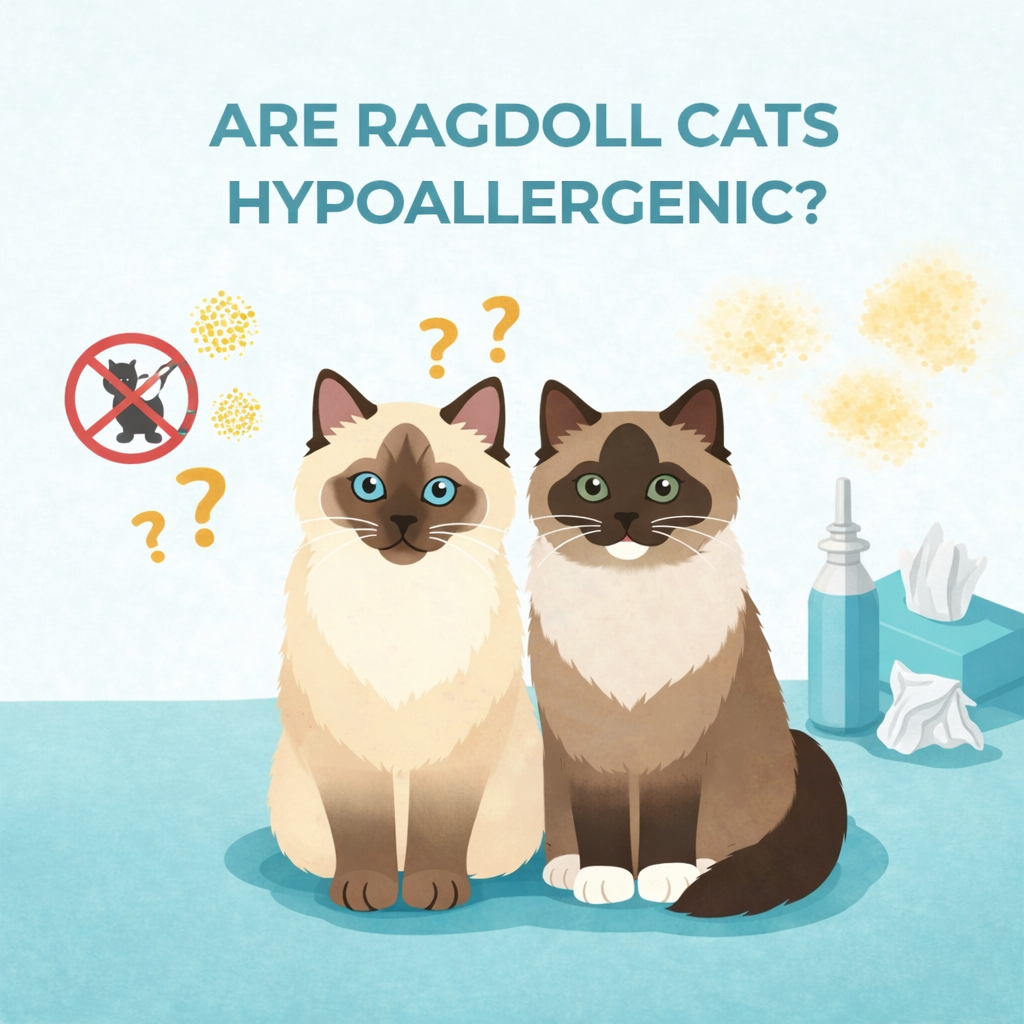
This comes up alongside the shedding question a lot, and the honest answer is no — Ragdolls are not hypoallergenic. No cat is truly hypoallergenic.
The main cat allergen is a protein called Fel d 1. It’s found in cat saliva, skin cells (dander), and to a lesser extent in urine — not primarily in the fur itself. When cats groom themselves, Fel d 1-coated saliva transfers to the fur, and as that fur sheds and dander disperses, the allergen spreads through the environment.
Because Ragdolls shed less than many breeds, there’s less allergen-coated fur distributed around the home — which is why some allergy sufferers find Ragdolls easier to live with than other cats. But they still produce Fel d 1 and they still trigger reactions in people with cat allergies. Female cats and neutered males tend to produce lower levels of Fel d 1 than intact males.
If you or someone in your household has cat allergies, the best test is spending time with the specific cat before making a decision. Online claims about hypoallergenic breeds are rarely reliable for individual allergy sufferers.
How Ragdoll Shedding Compares to Other Breeds
Context helps here. Here’s a general comparison of where Ragdolls sit on the shedding scale relative to other common breeds:
| Breed | Coat Type | Shedding Level |
|---|---|---|
| Maine Coon | Long, double coat | High — especially in spring |
| Norwegian Forest Cat | Long, thick double coat | High — dense undercoat sheds heavily |
| Domestic Shorthair | Short, often double coat | Moderate to high — undercoat can shed a lot |
| Ragdoll | Semi-long, single layer | Low to moderate — no dense undercoat |
| Siamese | Short, fine, single layer | Low — short coat sheds lightly |
| Sphynx | Hairless | Minimal fur shedding (but does shed dander) |
Videos
These videos give a good real-world look at Ragdoll shedding and grooming — not our cats, but useful if you want to see what brushing a Ragdoll actually looks like in practice.
Note: not our cats — included as a general reference on Ragdoll shedding.
Note: not our cats — included as a general reference on Ragdoll coat care.
Frequently Asked Questions — Do Ragdoll Cats Shed?
Final Thoughts
Do Ragdoll cats shed? Yes — but less than the coat suggests, and less than a lot of other cats I’ve kept. In my experience, they sit comfortably on the lower end of the shedding scale for a long-haired breed, and with a simple brushing routine and a good diet, it’s very manageable.
That said, everyone’s experience is a bit different. Breeding lines, individual genetics, diet, and grooming all play a role in how much any given Ragdoll sheds in your home. If shedding is a real concern for you, ask your breeder directly about what they see day to day — that’s more useful than any general guide.
If you’re thinking about getting a Ragdoll and want to talk through what to expect, reach out. We raise ours raw-fed and have seen the coat difference firsthand — happy to share what we know.
Looking for a Ragdoll or Cherubim Kitten?
Raw-fed, TICA-registered, health-tested, and raised in our Virginia home. Kittens go home with beautiful coats and a full care guide.
View Available Kittens