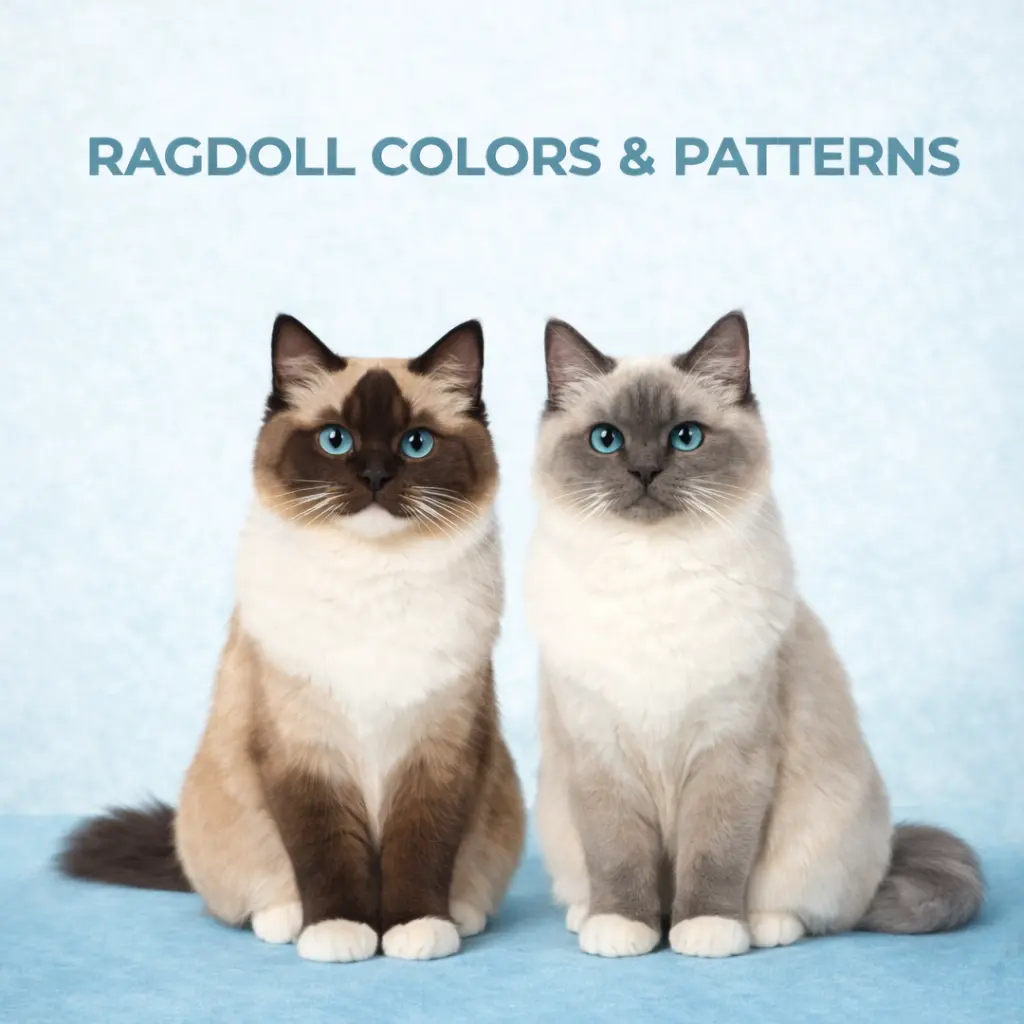
Are Ragdoll cats good apartment cats? Yes — genuinely. They’re calm, quiet, don’t need outdoor access, and care more about who they’re with than how big the space is. But there are some things worth knowing before you bring one home to an apartment, especially if you’re out of the house for long hours during the day. This post covers all of it honestly, from a breeder who has placed cats into apartment homes many times.
Table of Contents
The Short Answer
Are Ragdoll cats good apartment cats? Yes. They’re actually one of the better cat breeds for apartment living because of how they’re wired. They’re not territorial in the way some breeds are, they don’t need to run long distances, they’re quiet, and they’re completely happy being indoor-only. A Ragdoll in a well-set-up apartment is a content cat.
The one thing to think carefully about is company. Ragdolls are social and they notice when they’re alone. A standard workday is manageable, but if you’re gone for long hours every day, that’s when the setup really needs to account for them having some form of company. More on that below.
Why Ragdolls Actually Suit Apartment Living
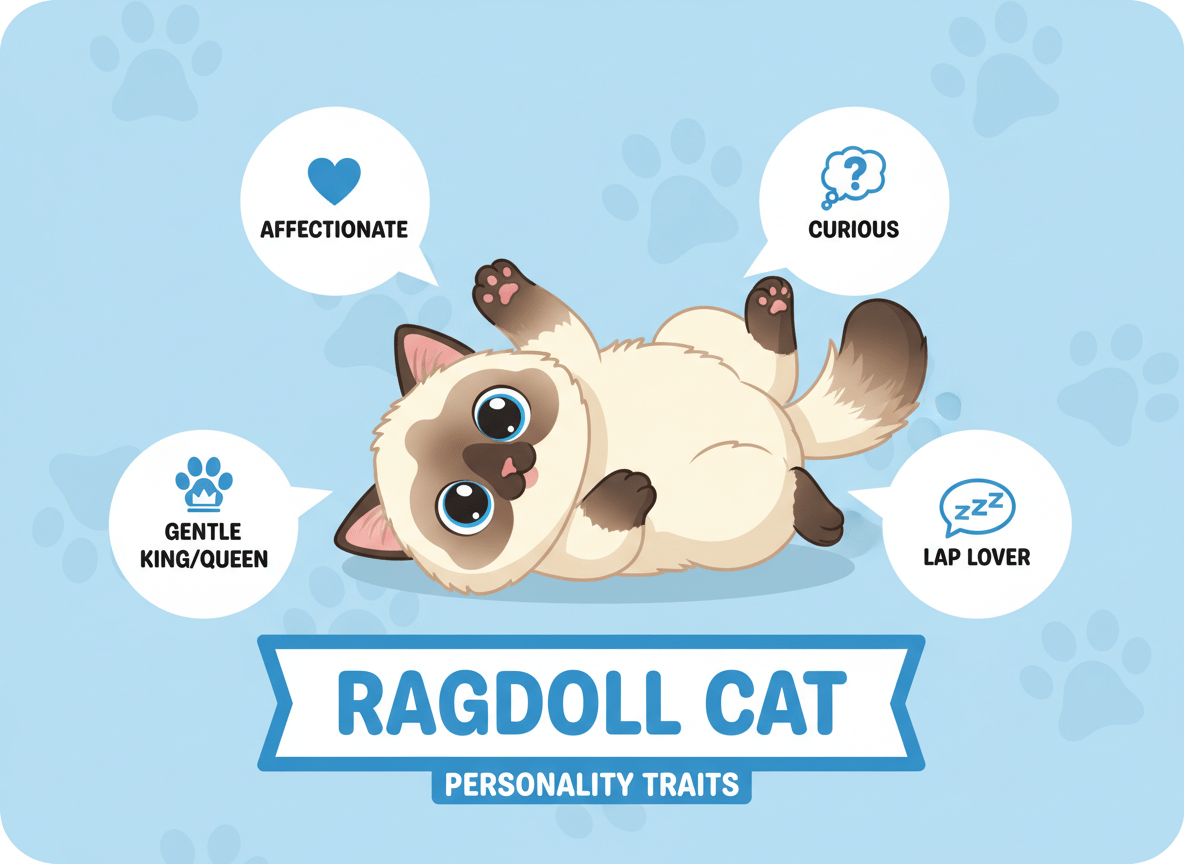
A lot of people assume that because Ragdolls are large cats they need a lot of space. That’s not really how it works with this breed. Ragdolls aren’t high-energy, highly territorial, or driven to patrol and mark space the way some cats are. They’re calm, low-key, and people-focused. A cat that mostly wants to be near you, look out the window, and nap in a sunny spot doesn’t need a lot of square footage to be happy.
According to the TICA Ragdoll breed standard, Ragdolls are described as gentle, relaxed cats with a strong affinity for their people — exactly the temperament that works well in an apartment setting where you’re close to your neighbors and need a cat that’s settled and calm.
Thing 1: They’re Quiet
This matters a lot in an apartment. Ragdolls have soft voices and they don’t tend to yowl or vocalize constantly. They’ll meow at you sometimes — usually when they want food or they’re following you around — but nothing loud or disruptive.
Compared to breeds like the Siamese, which can be very vocal and persistent about it, a Ragdoll in an apartment is a genuinely peaceful housemate for both you and your neighbors. If your building has thin walls or noise-sensitive neighbors, this is one less thing to worry about.
Thing 2: They Don’t Need Much Floor Space
Ragdolls aren’t sprinters. They play, they explore, they enjoy a good wand toy session — but they’re not the kind of cat that needs to run laps around a large house to feel satisfied. A studio or one-bedroom apartment gives them plenty of room to move around, find their favorite spots, and be comfortable.
What they do appreciate is vertical space — a window perch or a cat tree at a good height gives them somewhere interesting to be that doesn’t take up much floor space at all. In small apartments, going up is always a good solution.
Thing 3: They Don’t Need Outdoor Access
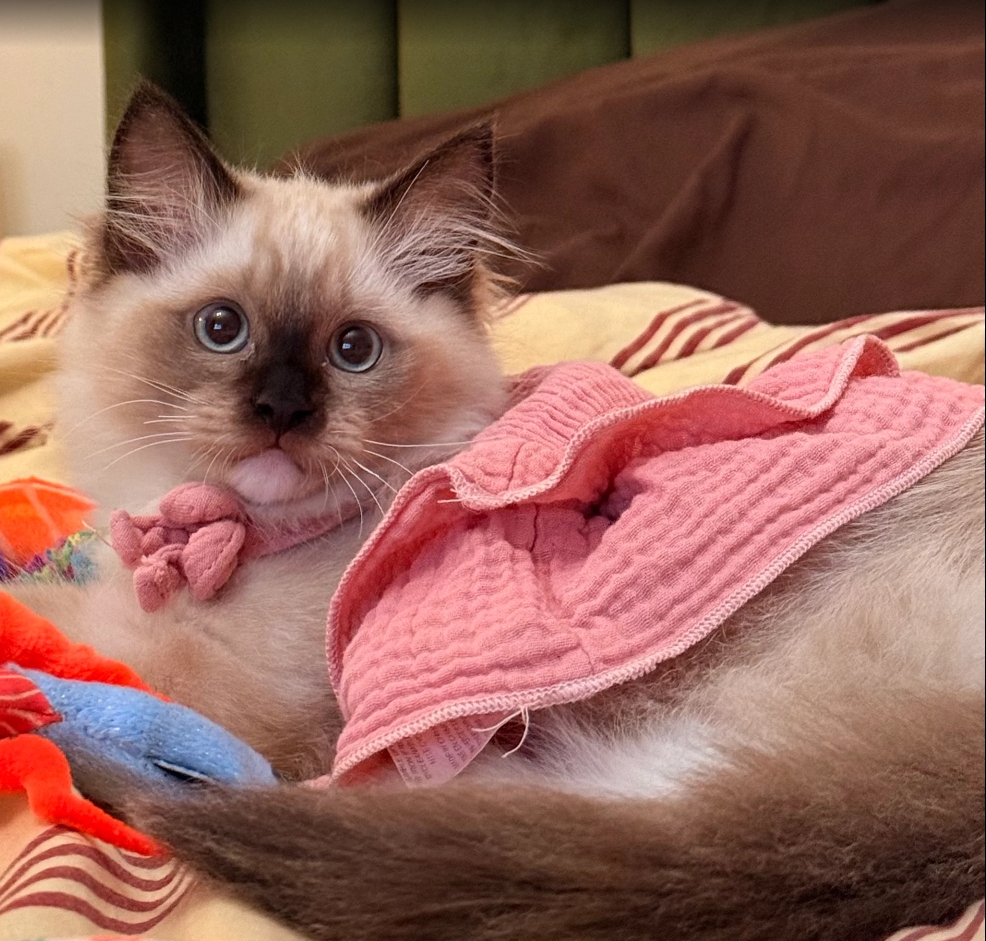
Ragdolls are indoor cats. Not indoor-outdoor, not cats that tolerate being inside — genuinely indoor cats. They don’t have the instincts that would make outdoor life safe for them. They’re too trusting, too calm, and not street-aware in the way that cats who’ve grown up outside are.
This makes them ideal for apartment living where outdoor access either doesn’t exist or requires a lot of management. You don’t need a balcony or a garden. A window with something worth looking at — birds, street activity, trees — is all they really need for that connection to the outside world.
If you do have a balcony, make sure it’s properly enclosed before letting them out there. Ragdolls don’t tend to jump or climb recklessly but it’s not a risk worth taking. International Cat Care’s guidance on keeping cats safe is worth reading if you’re setting up an apartment for a cat for the first time.
Thing 4: They Are Social — This Matters in an Apartment
Here’s where the apartment question gets a bit more nuanced. Ragdolls are companion animals. They bond closely with their people and they feel it when that person isn’t around. In a house where someone works from home or has irregular hours, this is easy to manage. In an apartment where someone leaves at 8am and comes back at 6pm every weekday, it needs a bit more thought.
The good news is that this isn’t a dealbreaker for apartment life — it just means the social side needs to be addressed. Either through the setup when you’re out, or through having a companion for your cat, or ideally both.
| Situation | How Ragdolls Typically Handle It |
|---|---|
| Work from home most days | Very comfortable — they’re happy just being near you |
| Standard 8-hour workday, daily | Fine as an adult, better with a companion |
| Long hours (10+ hrs), daily | Worth getting a second cat or companion animal |
| Frequent travel or nights away | Needs a pet sitter or companion — can’t be left alone |
Thing 5: If You Work Long Hours, Get a Second Cat
We genuinely recommend this — and not just as a vague suggestion. Any animal does better with company. That’s just how social creatures are built, whether it’s a Ragdoll, a dog, or most other pets. Being alone all day, every day, isn’t the natural state for a cat like this.
A second Ragdoll is the obvious option, and pairs of Ragdolls tend to settle beautifully together — they play, sleep near each other, and keep each other company through the day without needing you there. But it doesn’t have to be another Ragdoll. A rescue kitten works just as well. Any sociable cat that your Ragdoll can bond with will make a real difference to how they handle the hours when you’re not home.
We’ve had families contact us after getting one kitten who noticed their cat seemed restless or overly attached when they came home — and getting a second cat resolved it quickly. Two cats in an apartment isn’t harder to manage than one, and the difference in how the first cat behaves is usually noticeable within a few weeks.
From Our Cattery — AquaMarine Kittens
We really do recommend getting two cats, especially in an apartment where you’re out for a full workday. It doesn’t have to be a second Ragdoll — a rescue kitten from your local shelter is just as good. Animals like company. Your Ragdoll will be happier, more settled, and honestly a more relaxed, well-adjusted cat because of it. The whole setup just works better with a companion in the picture.
Thing 6: The Setup Matters More Than the Size
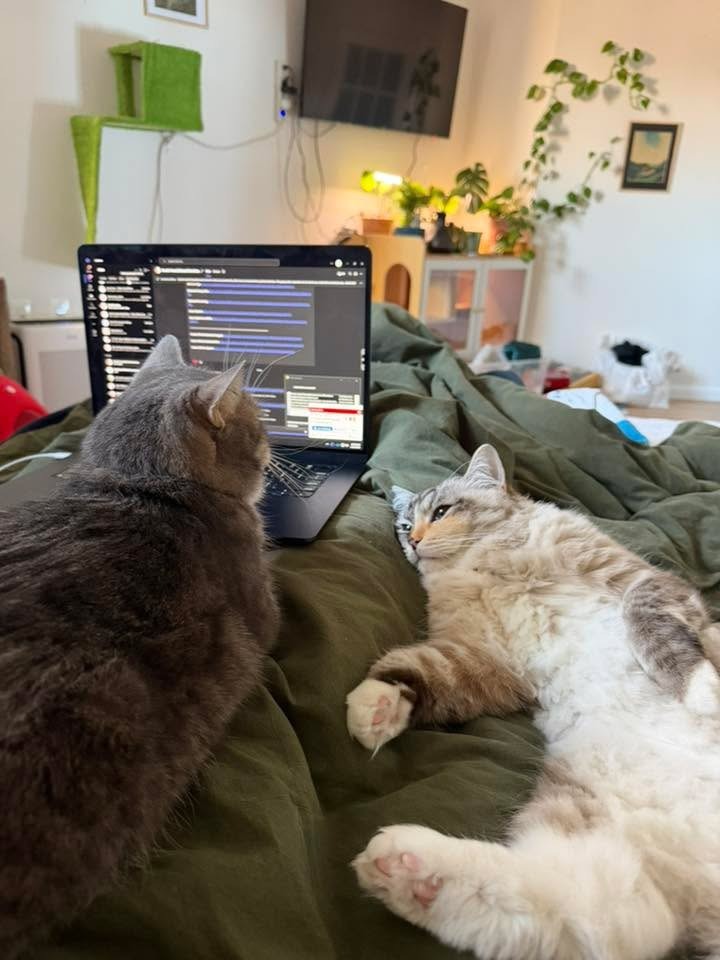
A Ragdoll in a small, well-set-up apartment will be happier than one in a large home with nothing to do. The physical space is honestly the least important variable. What matters more is what’s in the space and how the routine works around the cat.
- A window perch with a view. This is the single most effective thing you can do. A bird feeder outside the window, some trees, street activity — anything interesting for them to watch during the day. Cats spend a lot of time in observation mode and a good window covers a huge portion of their enrichment needs.
- A cat tree or stable elevated spot. Ragdolls like somewhere to settle that feels like theirs. It doesn’t need to be tall — they’re not big climbers — but a stable platform or perch at a comfortable height is appreciated.
- A few toys rotated regularly. You don’t need dozens. A couple of wand toys you interact with when you’re home, and something they can bat at on their own, is enough. Rotating what’s available keeps things from going stale.
- Fresh water available at all times. A water fountain is a good option in an apartment — cats that drink more water tend to be healthier long term, and the movement encourages drinking.
- A litter box in a quiet corner. In a small apartment, placement matters. They need somewhere they can access easily and privately. One box per cat, plus one extra, is the general rule.
- Time with you when you’re home. This is the most important one. A short interactive play session when you get back — 10 to 15 minutes with a wand toy — and then some time sitting near you in the evening covers most of what a Ragdoll needs socially.
Thing 7: Grooming in a Small Space Is Easy to Manage
One concern people sometimes have about long-haired cats in apartments is the fur situation — on furniture, on floors, in corners. Ragdolls do shed, but their coat is a single layer without a dense undercoat, which means they shed less than some long-haired breeds and the fur tends not to mat or clump badly.
A quick brush two to three times a week keeps the shedding well under control. In a small apartment where every surface shows fur, keeping up with a regular brushing routine makes a visible difference — and it’s also time your cat generally enjoys. It’s one of the lower-maintenance aspects of owning a Ragdoll that people are often pleasantly surprised by.
You can read more about our approach to diet and coat care in the raw feeding guide here — what you feed a Ragdoll shows clearly in the condition of their coat.
What We’ve Seen With Our Own Apartment Families
We’ve placed kittens into apartments and small homes many times, and the feedback from those families is consistently positive. The cats settle, they bond closely with their person, and the space itself is rarely mentioned as a factor. What comes up more often is how attached the cat got — which is really just the Ragdoll personality doing what it always does.
The families that have the smoothest experience are the ones who either work from home, have a housemate around during the day, or got two cats. The ones who occasionally reach out with questions about restless behavior are almost always in single-cat households where the cat is alone for 9 or 10 hours a day. It’s a solvable problem, but it’s worth setting things up right from the start rather than adjusting later.
If you want to read more about how Ragdolls handle alone time generally — not just in apartments — the Can I Leave a Ragdoll Alone guide covers it in detail.
Videos
These videos give a good general look at Ragdolls as apartment cats — not from our cattery but worth watching if you want to see the breed in a home environment and get a feel for what they’re actually like day to day.
Note: not our cats — included as a general reference for Ragdolls in apartment settings.
Note: not our cats — included as a general reference.
Frequently Asked Questions — Are Ragdoll Cats Good Apartment Cats?
Final Thoughts
Are Ragdoll cats good apartment cats? Yes — they genuinely are. The size of the space matters much less than most people expect. What matters is the setup inside it, the routine around it, and whether your cat has company when you’re not there.
If you’re a full-time apartment dweller thinking about getting a Ragdoll, go for it — but seriously consider getting two. Whether that’s a second Ragdoll from us or a rescue kitten from your local shelter, the difference it makes to your cat’s day is real. Animals are meant to have company. Your Ragdoll will be happier, calmer, and more settled because of it — and so will you when you come home.
Looking for a Ragdoll or Cherubim Kitten?
Raw-fed, TICA-registered, health-tested, and raised with socialization from day one in our Virginia home. We’d love to help you find the right fit for apartment life.
View Available Kittens