How to switch a cat’s food without causing stomach upsets, food refusal, or stress — that’s exactly what this post covers. Whether you’re transitioning your new kitten off the food they came home with, moving from raw to wet, or switching brands for any other reason, you can start on day 1 and have most cats comfortably on the new food within about a week. I’ll walk you through it step by step, from a breeder’s perspective.
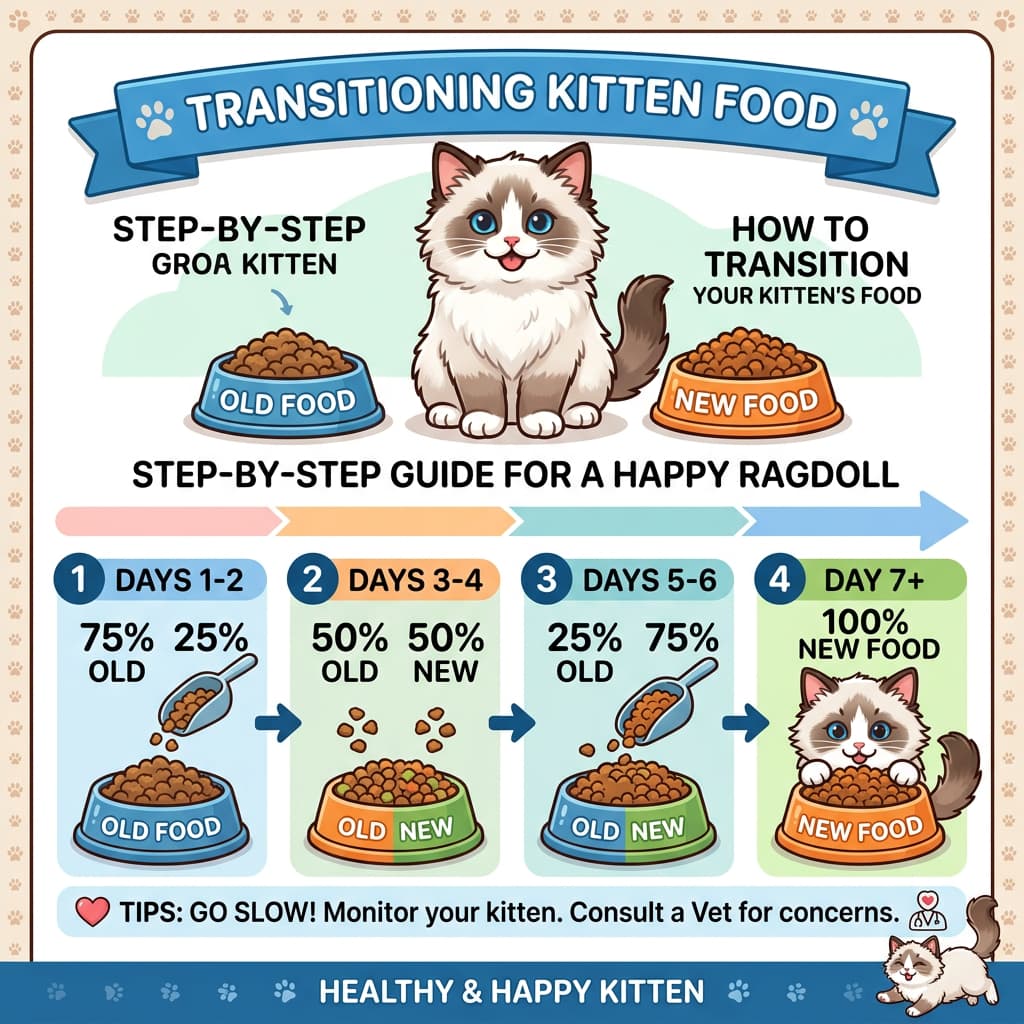
Table of Contents
Why You Can’t Just Swap the Bowl Overnight
Switching a cat’s food abruptly — even to a better food — almost always causes problems. Cats have sensitive digestive systems and their gut bacteria are calibrated to whatever they’ve been eating. When you change the food suddenly, the gut doesn’t have time to adjust and the result is usually soft stools, vomiting, or a cat that just refuses to touch the new bowl.
This is true for all cats, but Ragdolls can be particularly sensitive given how people-oriented and routine-driven they are. The good news is that a gradual switch doesn’t need to take weeks — most cats can move onto a new food comfortably in about 7 days if you follow a steady mix-and-monitor approach starting from day 1.
According to Cornell University’s Feline Health Center, gradual food transitions over about a week are recommended for all cats to avoid gastrointestinal upset.
What to Do if Your Kitten Came Home From Us Raw-Fed
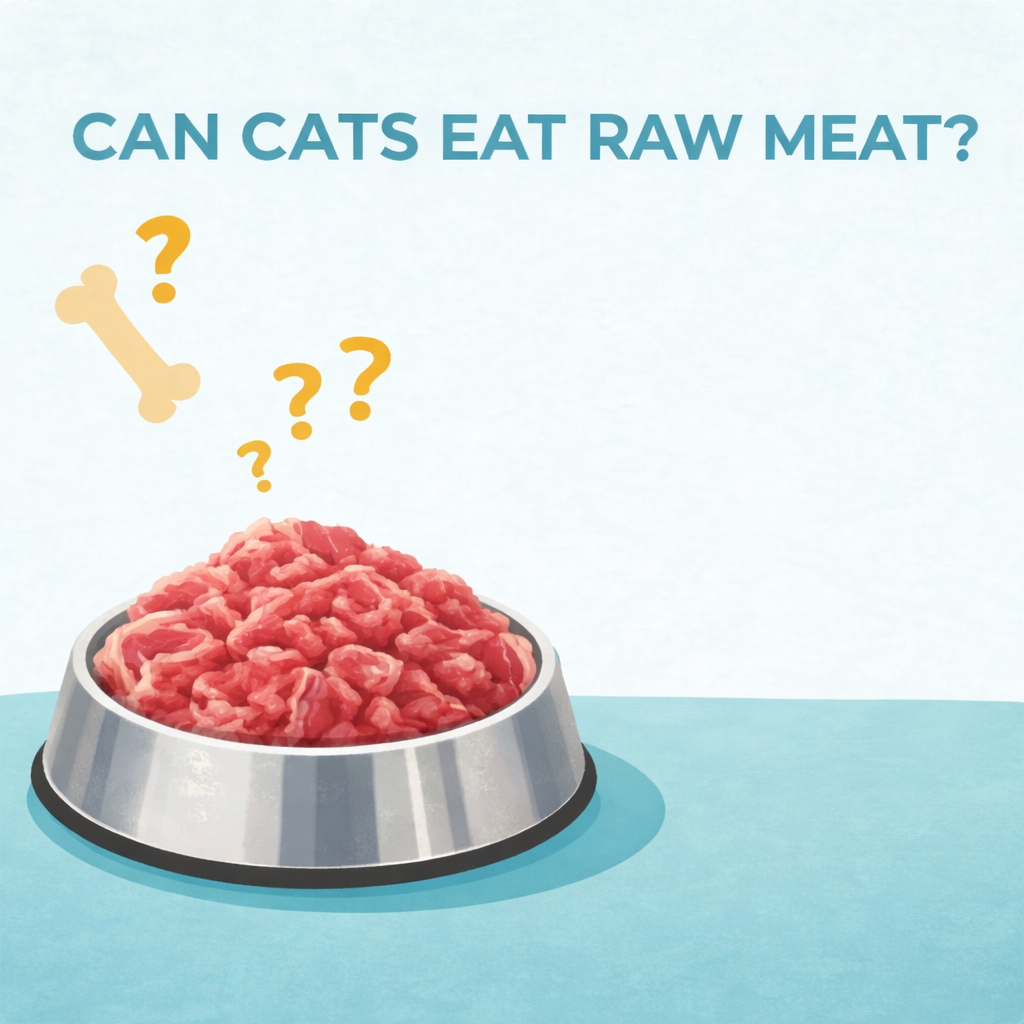
All of our kittens at AquaMarine Kittens go home raw-fed. We send each kitten home with around 3 packets of raw food, so your kitten arrives eating the same food they’ve been on with us and has a consistent start in their new home.
If you’d like to switch to a different food, you don’t have to wait for the packets to run out — you can start the gradual transition on day 1, right alongside the raw food, as long as your kitten is eating and settling in normally. Some owners prefer to wait until the packets are finished simply for convenience, and that’s fine too. Either way, once you begin, the same 7-day approach below applies.
If you want to continue raw feeding long term, we have a full guide on why we do it and how to approach it in the raw feeding guide here. If you’re moving to wet food or high-quality kibble, the steps below apply regardless of which direction you’re going.
7 Safe Steps to Switch a Cat’s Food — Starting Day 1
You don’t need to wait to begin. As long as your cat is eating normally, alert, and seems well, you can start mixing in the new food on day 1. The only reason to hold off is if your cat is visibly unwell or unusually stressed — in that case, give them a day or two to settle before starting.
Start the Mix Right Away
Serve 75% old food and 25% new food, placed on the same plate but not mixed together — keep them as separate portions. There’s no need to wait: as long as your cat is eating and acting normally, you can begin today. This lets your cat sniff and investigate the new food without being forced to eat it. Some cats will ignore the new portion at first. That’s fine — don’t remove the old food entirely.
Hold at 75/25 and Watch Closely
Keep the same ratio and use today to watch the litter box and appetite. This is the check-in point before you move forward. Firm stools and normal eating mean you’re ready to progress tomorrow. Soft stools or a cat that’s ignoring the new food entirely means holding at this ratio a day or two longer before advancing.
Move to 50/50
If day 2 went smoothly, increase to a 50/50 split. This is usually the point where cats start eating the new food more readily, since they’ve had two days to get used to the smell and texture. Continue keeping the portions separate rather than mixed together on the plate.
If You’re Headed to Dry Food, Route Through Wet First
If your ultimate goal is kibble, this is the day to plan around it: transition to wet food first rather than jumping straight from raw (or from your current food) to dry. Wet food is a much easier switch for most cats since it’s closer in moisture and texture, and it makes the eventual move to kibble far smoother. Stay at 50/50 with wet food today.
Move to 25/75
By day 5, if things are going smoothly, flip to 25% old food and 75% new. This is the stage where most transitions either work cleanly or you start to see reluctance. If your cat is happily eating the majority new food with no digestive issues, you’re almost there.
Push to Nearly All New Food
Reduce the old food to a token amount — just enough to make the plate feel familiar — with the rest being new food. Watch the litter box and appetite one more time before the final step. If your cat has been steady through days 4 and 5, this day is usually uneventful.
Complete the Switch — and Keep Watching the Litter Box
By day 7, your cat should be fully on the new food. Stop offering the old food and keep an eye on things for a few more days. Normal litter box output, good appetite, and normal energy levels mean the transition has been successful. If your cat needs more time at any stage, that’s completely fine — 7 days is a typical pace, not a hard deadline. If you’re planning the wet-to-dry leg as well, repeat this same 7-day approach once your cat is settled and steady on wet food.
The 7-Day Transition Schedule
Here’s the full schedule in one place. You can start on day 1 — use this as a guide and adjust the pace based on how your cat is doing, not by the calendar alone.
| Day | Old Food | New Food | Watch For |
|---|---|---|---|
| Day 1 | 75% | 25% | Normal eating, no stomach changes |
| Day 2 | 75% | 25% | Firm stools before advancing |
| Day 3 | 50% | 50% | Stools still firm, cat eating both portions |
| Day 4 | 50% | 50% | Headed to dry? Switch to wet food here |
| Day 5 | 25% | 75% | Appetite consistent, litter box normal |
| Day 6 | 10% | 90% | Steady eating, no reluctance |
| Day 7 | 0% | 100% | No vomiting, no diarrhea, eating well |
Switching From Raw to Wet, Then Dry (The Easier Path)
This is the most common scenario for AMK kitten owners — your kitten came home raw-fed and you want to transition to wet food or kibble. If your end goal is dry food, we recommend transitioning to wet food first, then from wet to dry, rather than jumping straight from raw to kibble. It’s an easier switch for most cats since wet food bridges the gap in moisture and texture. The 7-day process above applies to each leg of the switch.
- Texture is the main adjustment. Raw food has a different texture and smell from canned wet food. Most cats accept this transition fairly easily because both are moist and meat-based. Start with a wet food that has a similar protein — if your kitten has been eating chicken raw, start with a chicken-based wet food.
- The smell difference matters. Raw food smells more intensely “meaty” than processed wet food. Some cats go for wet food immediately because it’s novel. Others are suspicious because it smells different. Either response is normal — just hold the course with the gradual mix.
- Serve wet food at room temperature, not cold from the fridge. Cold food doesn’t smell as strong and cats are more suspicious of it. Slightly warmed food is more appealing and closer in temperature to what they’re used to with raw.
- This is the recommended first leg. Raw to wet is a smaller jump than raw to dry, which is exactly why it’s the easier path if kibble is your end goal.
- This is the bigger adjustment, so tackle it second. Going straight from raw to dry is the largest format and texture change you can make. Doing wet-to-dry instead, after your cat is settled on wet, is a noticeably smaller step for their system to handle.
- Let your cat settle on wet food for a few days first. Once they’re eating wet food comfortably and consistently — not just tolerating it — start the same 7-day mix schedule again, this time moving from wet to dry.
- Hydration matters more on kibble. Cats on a dry diet drink more to compensate for the lack of moisture in food — but they often don’t drink quite enough. A water fountain helps, and adding a small amount of wet food alongside kibble is a good long-term approach.
Signs the Food Transition Isn’t Going Well
These are the things to watch for during any food switch. None of them are automatically a crisis, but they’re signals to hold at the current ratio or pause the transition rather than push through.
- Soft stools or diarrhea. The most common sign that the transition is moving too fast. Hold at the current ratio for an extra day or two before moving forward again.
- Vomiting. Occasional vomiting during a transition can happen, but if it’s frequent — more than once or twice over a couple of days — slow down or pause. If it’s severe or accompanied by other symptoms, talk to your vet.
- Food refusal. Your cat eating around the new food or leaving the bowl entirely. This is more common in the early days — cats are cautious about new smells. Don’t force it, but also don’t skip straight back to 100% old food. Hold where you are and try warming the new food slightly.
- Lethargy or hiding. This can sometimes happen alongside a food transition but is more likely related to other stress, especially in a new kitten. If a kitten that was settled suddenly starts hiding, check other variables — new smells, changes in routine — not just the food.
- Not eating at all for 24+ hours. This is the one that needs a vet call. Cats should not go more than 24 hours without eating. If your cat has completely stopped eating during a transition, stop the new food, go back to what they were eating before, and contact your vet.
What to Do If Your Cat Refuses the New Food
Some cats — Ragdolls included — are genuinely fussy about food changes, especially ones that have been on the same diet for a long time. If your cat is refusing to touch the new food at all, here are a few things that actually help:
- Warm the new food slightly. Room temperature or slightly warmed is far more appealing than cold food from the fridge. The smell is stronger when food is warm and smell is what drives a cat’s appetite more than anything else.
- Try a different texture of the same protein. If you’re moving from raw chicken to wet chicken but they won’t touch it, try a pâté style instead of a chunky style, or vice versa. Sometimes it’s the texture, not the ingredient.
- Add a small amount of something familiar on top. A tiny bit of the old food or a small amount of broth (plain, no onion or garlic) on top of the new food can make it familiar enough to start eating. Once they’re eating the bowl regularly you can stop adding it.
- Don’t free-feed during a transition. Scheduled meals give you more control over how much of each food is being eaten. If your cat is free-fed, they can just wait out the new food indefinitely and only eat the old portion. Scheduled meals make the choice clearer.
- Give it a few extra days if needed. Some cats take a bit longer than 7 days to fully accept a new food. As long as they’re eating enough of their old food to sustain themselves and not losing weight, slow and steady wins here.
Which Diet Is Best for a Cat?
This comes up a lot, especially from new owners who are transitioning off the food their kitten came home on. The short answer: raw food is what we use and recommend, but the most important thing is that whatever you feed is high quality, moisture-rich, and high in protein.
| Diet Type | Pros | Cons |
|---|---|---|
| Raw food | Closest to natural diet, excellent coat and digestion, high moisture | Requires preparation and safe handling, needs to be balanced properly |
| High-quality wet food | Good moisture content, easy to serve, wide variety, easier bridge from raw to dry | Quality varies a lot by brand — check ingredients carefully |
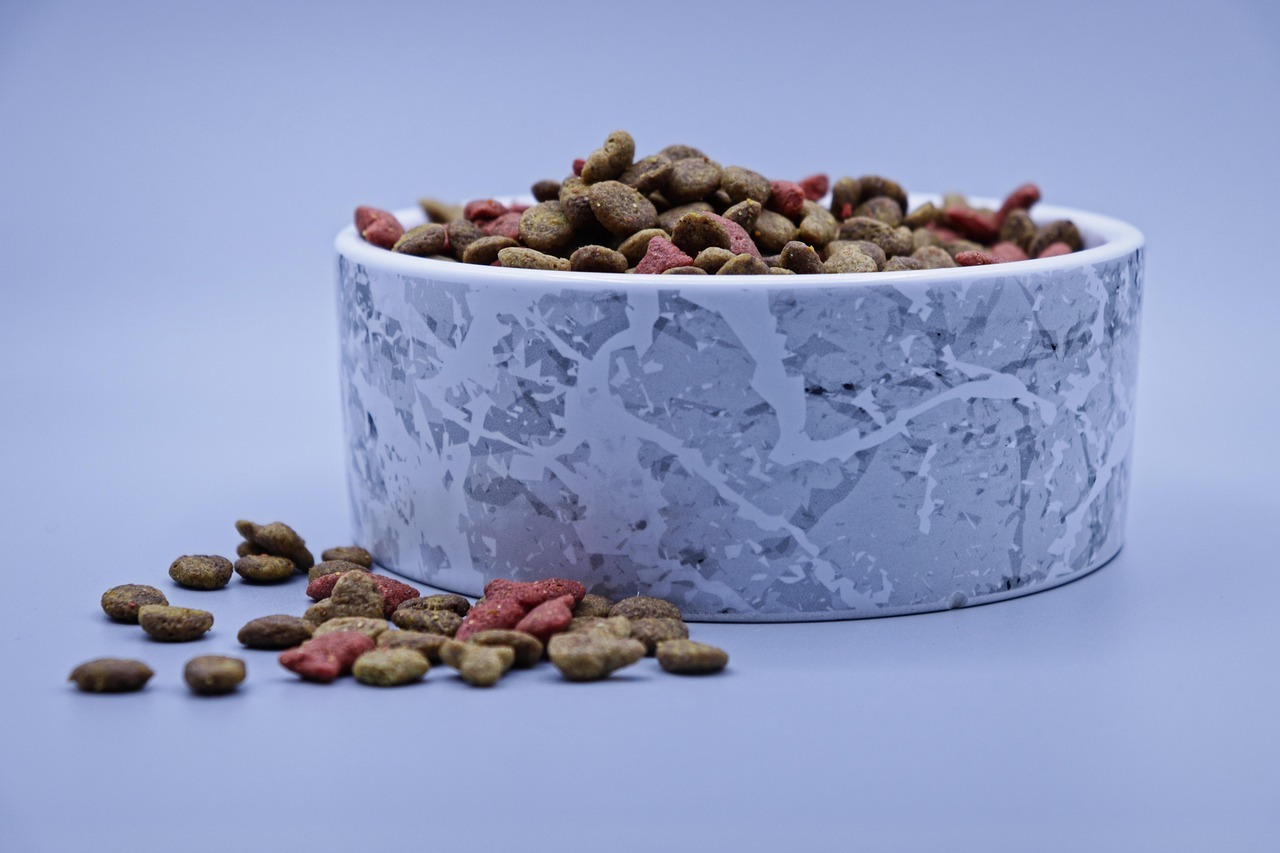
| High-quality kibble | Convenient, long shelf life | Low moisture, higher carbohydrate content, not ideal as sole diet long term |
| Mixed wet + kibble | Balances convenience with moisture | Still depends on the quality of both components |
Whatever you choose, look for a named protein source as the first ingredient, minimal fillers or grains, and no by-products. If you want more detail on the raw feeding side, the raw feeding guide covers it in full. The International Cat Care feeding guide is also a good general reference for understanding cat nutritional needs.
Video
This video covers transitioning cat food in more detail — not specific to our cattery but a useful visual companion to what’s covered above.
Note: not our cats — included as a general reference on switching cat food.
Frequently Asked Questions About Switching a Cat’s Food
Final Thoughts
Knowing how to switch a cat’s food properly is one of those things that saves a lot of stress — for you and your cat. The process is genuinely simple: you can start on day 1, work through the mix over about a week, and watch for signals along the way rather than forcing the pace. Most cats transition without any problems when you give them a steady, gradual switch.
If your kitten came home from us, feel free to start the transition right away or wait until the raw packets are used up — whichever is easier for you. If kibble is the long-term goal, remember: wet food first, then dry, is the easier path. Reach out if you have questions — we’re always happy to help new families figure out the feeding side of things.
Looking for a Ragdoll or Cherubim Kitten?
Raw-fed, health-tested, TICA-registered, and raised in our Virginia home. All kittens go home with food included and full guidance on transitioning.
View Available Kittens