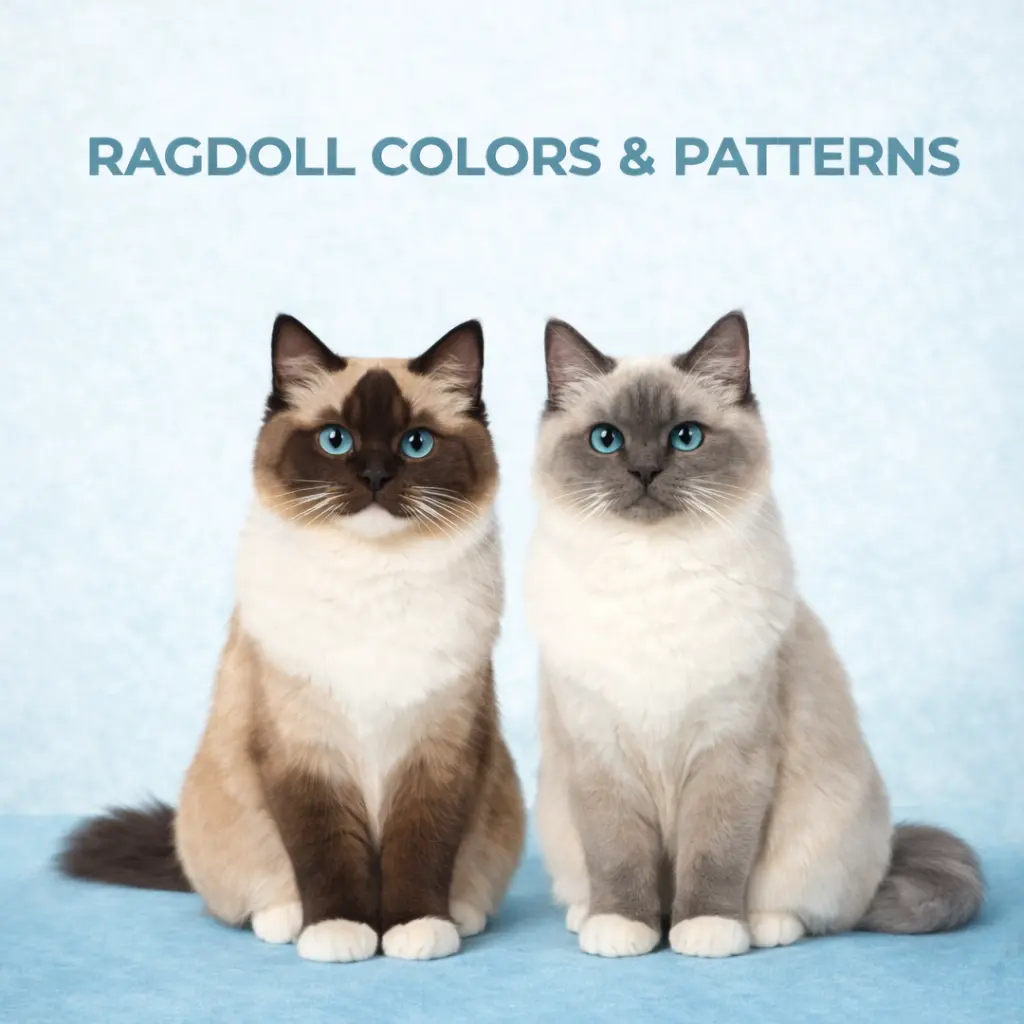
Male vs female Ragdoll — this is one of the most common questions I get from people who are choosing a kitten. And my honest answer every time is: it’s more about the individual cat than the sex. I’ve raised quite a lot of litters at this point, and I’ve had some of the cuddliest kittens be girls and some of the most independent be boys, and the other way around too. I’ll go through the real differences below — and I’ll share actual examples from our own cats to back it up. We also have videos at the end of the post for a visual look at this topic from other perspectives.
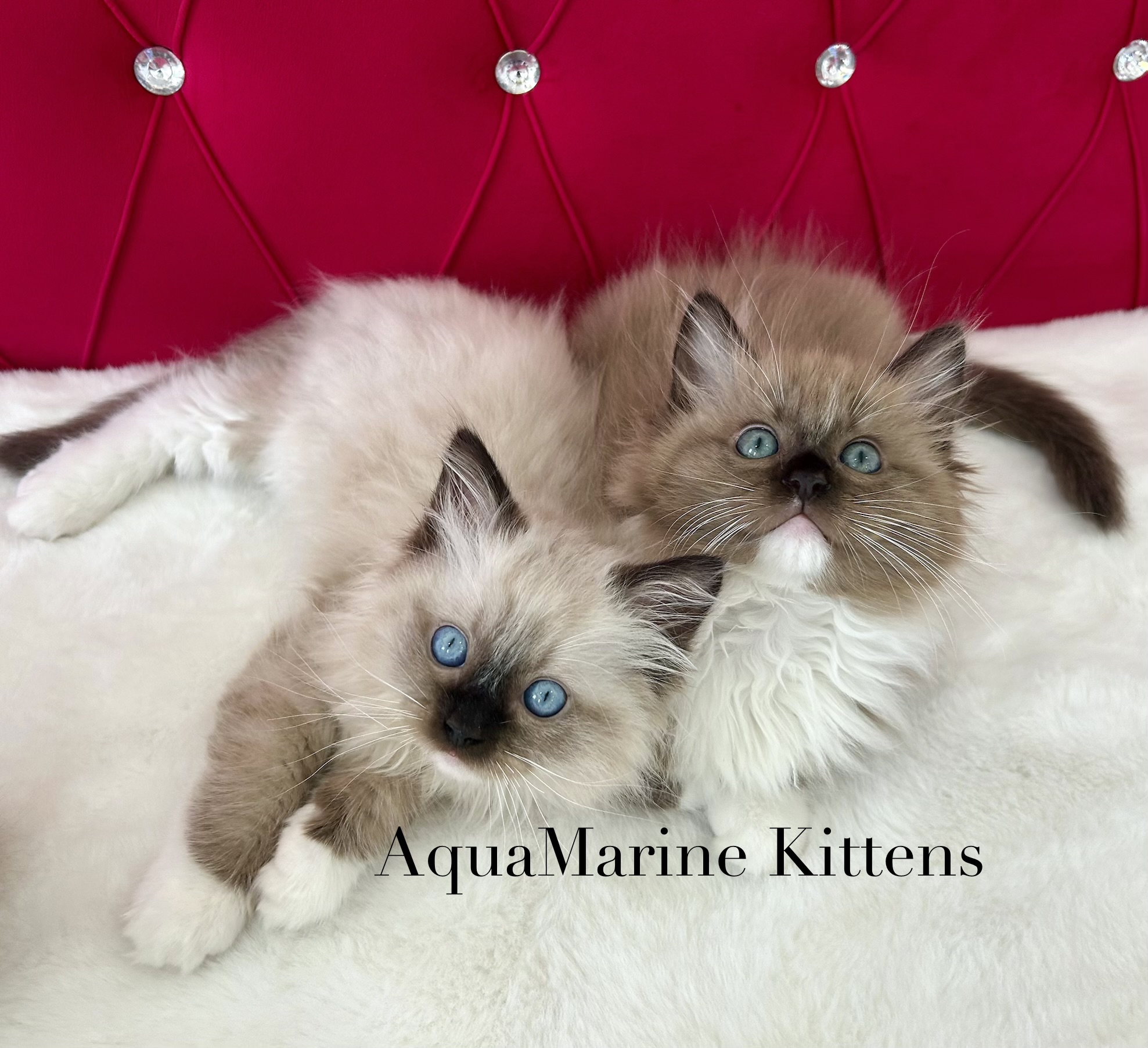
Table of Contents
The Honest Truth About Male vs Female Ragdolls
Most articles on the male vs female Ragdoll question are written like it’s a clear-cut decision. “Males are more cuddly, females are more independent.” And while there’s some truth to that as a general trend, I think it sets people up with expectations that don’t always match what they get.
In my personal experience, both can be very cuddly and it really comes down to the individual. There are some very laid-back, floppy males and some shyer ones who just want to do their own thing. There are also very outgoing, affectionate females and some with a lot of attitude who will cuddle on their schedule, not yours. You just have to talk to your breeder about what they’ve observed with that specific kitten — they’ll know far more from watching the litter than any general rule will tell you.
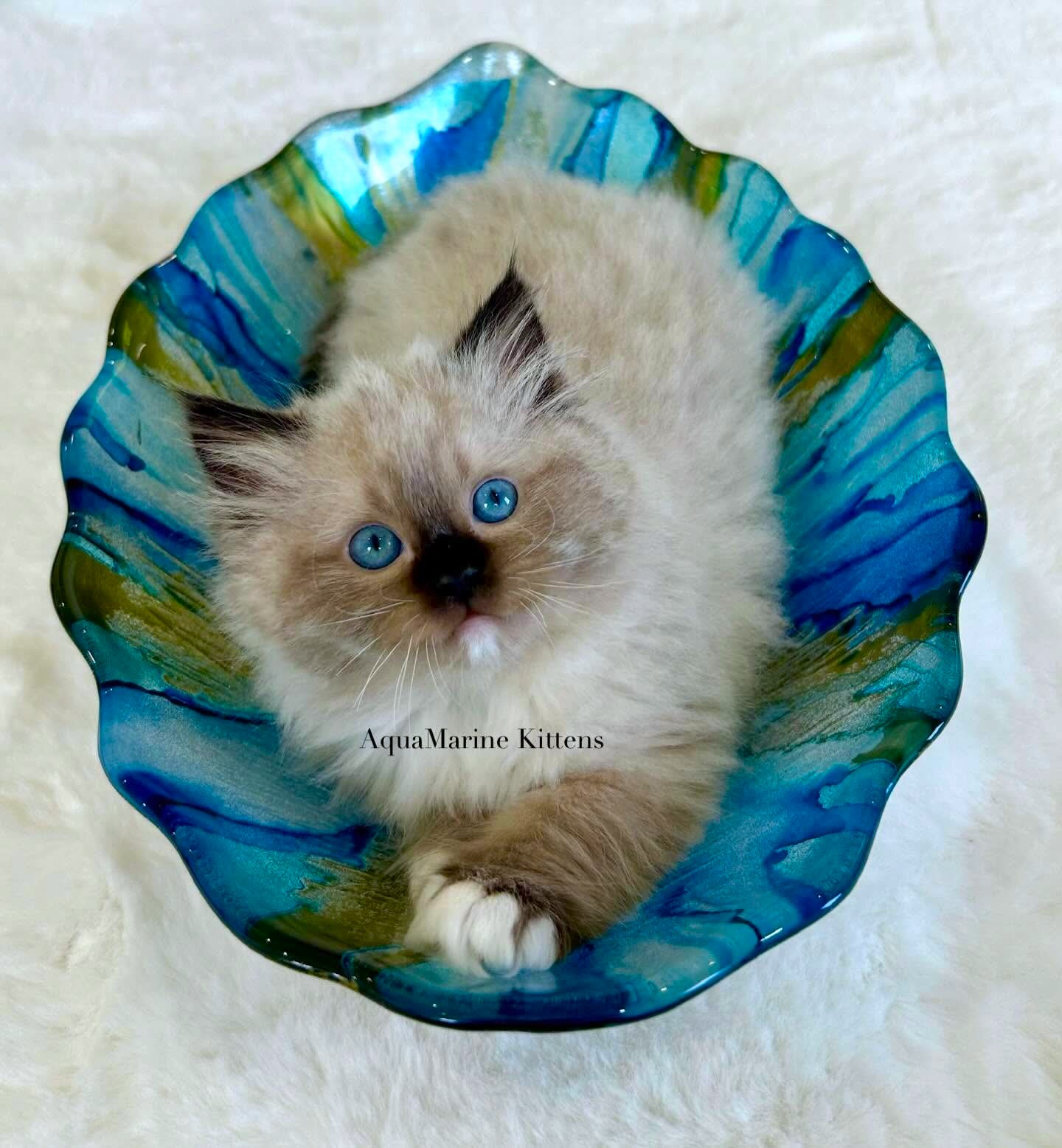
That said, there are real differences between male and female Ragdolls. Let me go through them honestly.
Difference 1: Size — This One Is Reliable
If there’s one difference between male and female Ragdolls you can actually count on, it’s size. Males are bigger — noticeably so at full maturity.
| Feature | Male Ragdoll | Female Ragdoll |
|---|---|---|
| Typical weight | 15–20 lbs at maturity | 10–15 lbs at maturity |
| Body length | Longer frame overall | Smaller, more compact frame |
| Full maturity age | 3–4 years | 3–4 years |
| Kitten size | Often larger in the litter | Often smaller in the litter |
| The “flop” feel | Heavier and more substantial | Lighter but still fully floppy |
According to the TICA Ragdoll breed standard, Ragdolls are one of the largest domestic cat breeds, and males sit at the bigger end of that range. When you pick up a fully grown male Ragdoll and he goes limp in your arms, you really feel the weight of it — it’s a different experience from holding a female.
If you have young children and want a cat that’s easier for them to pick up and carry, a female might be a better fit for that reason alone. If you want that “giant floppy cat” experience, a male delivers it more completely.
Difference 2: Personality — General Trends, Not Rules
Here’s where most articles oversimplify it. The general trends in male vs female Ragdoll personality are worth knowing, but they are trends — not guarantees.
- More outgoing and attention-seeking. Males tend to push a bit more for interaction. They’re often the ones following you around, sitting on your laptop, asking to be picked up.
- More kitten-like for longer. Males tend to stay playful and bouncy well into adulthood. Some people love this. Others find it a bit much.
- Generally more tolerant. In my experience males tend to be a bit more easy-going about being handled, moved around, or disturbed mid-nap.
- But also some shy, quiet males. I’ve had male kittens that were not attention-seekers at all — content to be near you but not in your face about it. Gender alone doesn’t tell you what you’re getting.
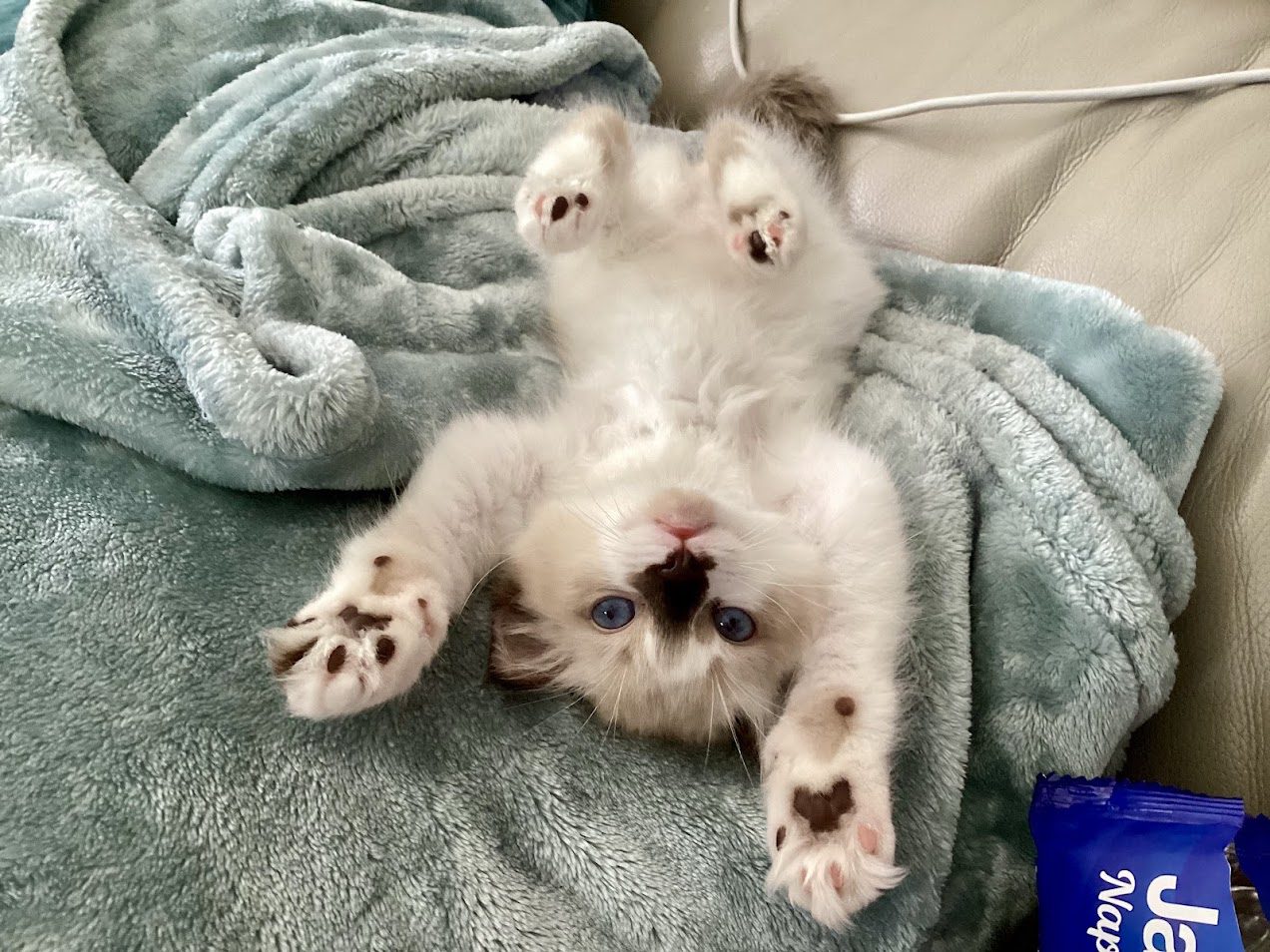
- More selective with affection. Females tend to cuddle on their own schedule. They’re affectionate but often more intentional about when and how they want contact.
- A bit more independent. They’re happy in your space but don’t always need to be in your lap. Some people actually prefer this — a cat that’s present but not demanding.
- Some attitude, some sass. I’ve had female Ragdolls with a lot of personality and a clear sense of what they do and don’t want. They’ll let you know.
- But also some extremely cuddly females. Viper above is a perfect example. Ruby too. Some females are just as velcro as any male I’ve raised.
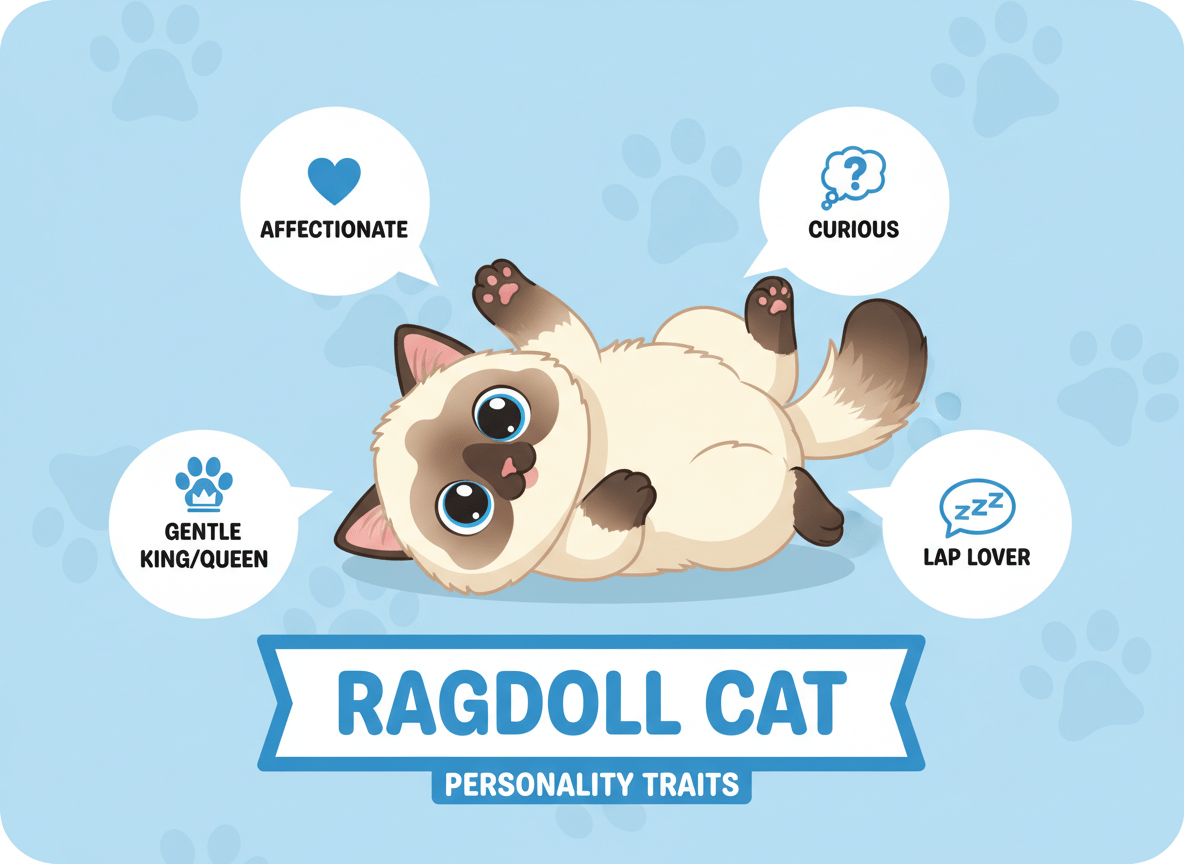
The honest answer to “male or female Ragdoll personality” is that both sexes have the same foundational Ragdoll temperament — calm, affectionate, people-oriented. The differences in how that plays out are more subtle and far more influenced by individual genetics and early socialization than by sex alone.
Difference 3: Spraying and Heat Cycles
This is a real difference — but it’s one that responsible breeding and pet ownership takes off the table before it becomes your problem.
Intact (unneutered) male Ragdolls can spray to mark territory, and the behavior is driven by hormones. Intact females go through heat cycles, which come with vocalizing, restlessness, and behavior that’s difficult to live with. Neither of these is fun.
All of our kittens go home as pets and go through spay/neuter. Once a male is neutered, spraying is very unlikely. Once a female is spayed, heat cycles stop entirely. For pet owners, this difference between male and female Ragdolls essentially disappears after altering.
Difference 4: Allergens
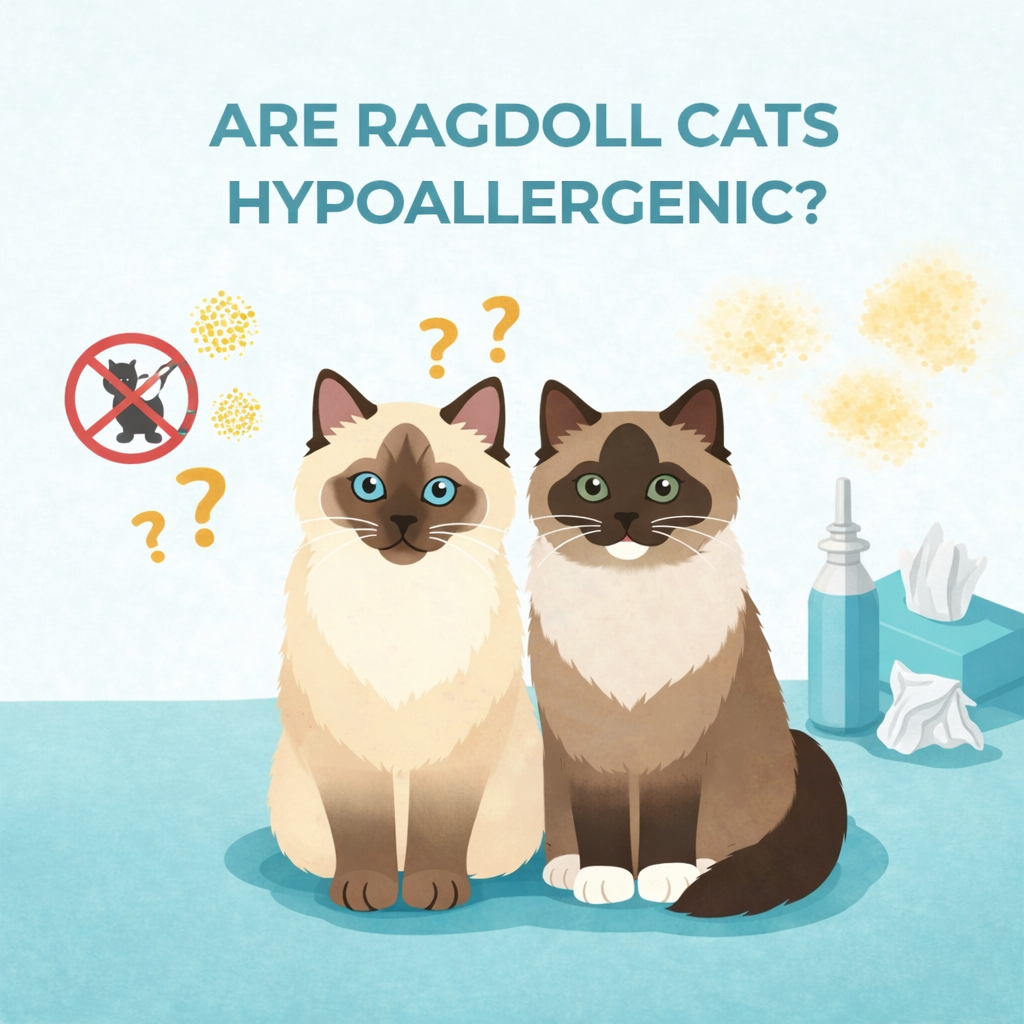
This one is worth knowing if anyone in your household has cat allergies. The main allergen in cats is a protein called Fel d 1, and male cats naturally produce more of it than females. Intact males produce the most. Neutered males produce significantly less — closer to female levels.
According to research referenced by International Cat Care, female cats and neutered males tend to produce lower levels of Fel d 1 than intact males. So if allergies are a concern in your home, a female or an early-neutered male is the better choice — and since all our kittens are spayed or neutered anyway, the gap narrows considerably.
Worth noting: no cat is truly hypoallergenic. Ragdolls aren’t an exception. But for mild sensitivities, the neutered male or female does tend to be easier to tolerate.
Difference 5: How Socialization Matters More Than Gender
This is the part I feel most strongly about and it rarely gets enough attention in these comparisons. How a kitten is raised in the first weeks of its life has a bigger impact on personality than its sex.
We take socialization very seriously from the moment our kittens open their eyes. Handling, human contact, different sounds, different experiences — all of it shapes how a kitten develops and how comfortable they are with people. A well-socialized male Ragdoll and a well-socialized female Ragdoll are both going to be calm, friendly, and good with their new family.
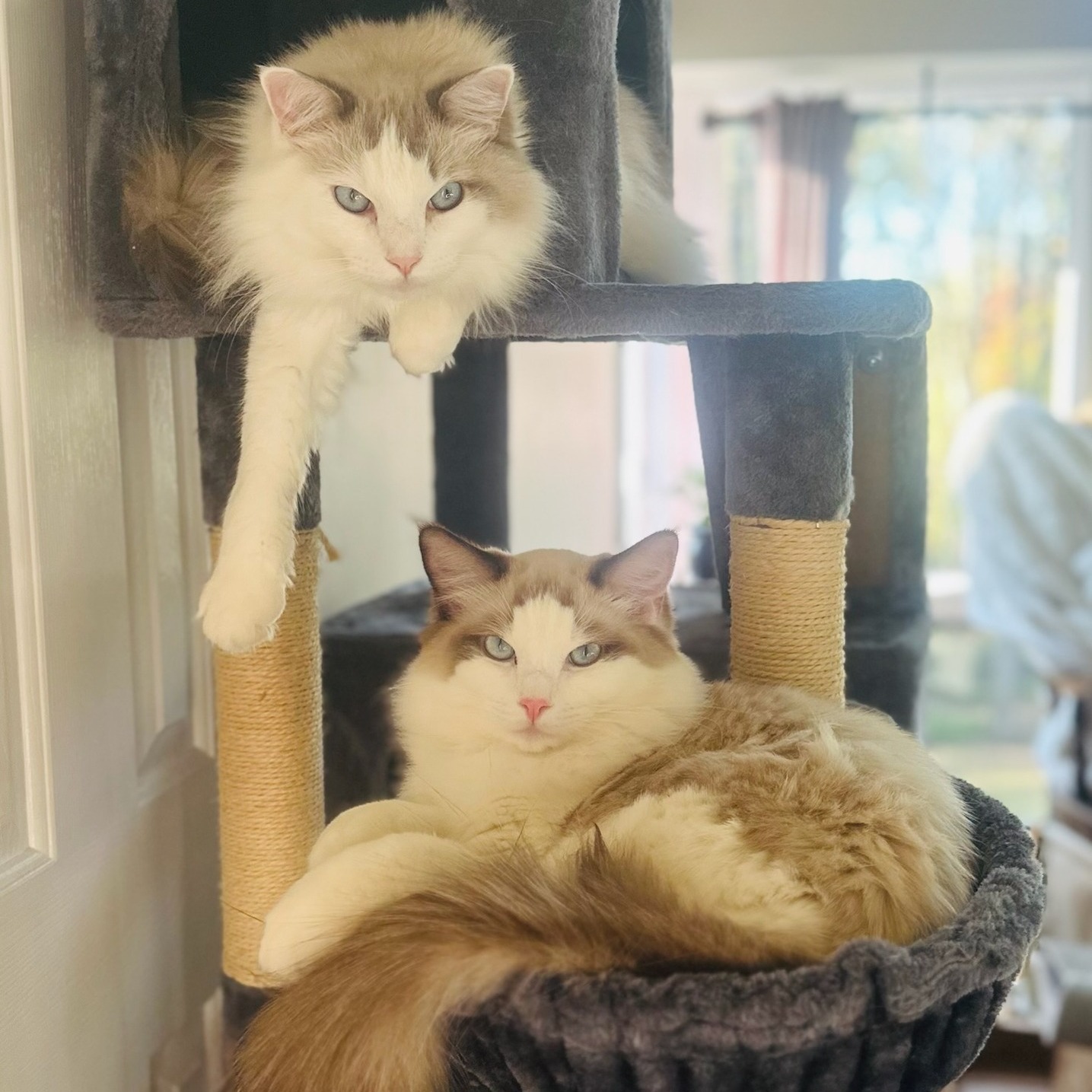
I’ve also had kittens who were on the shyer side here at the cattery — not scared or frightened, just taking their time — and then I get messages from their new families a few weeks later saying the cat has completely come out of its shell and is following them everywhere. Kittens need time to bond and settle in. Once they do, their real personality comes through.
What you don’t want is a kitten that seems genuinely frightened or stressed — that’s different from a kitten that’s just a bit reserved and takes time to warm up. A kitten that’s been properly socialized might be shy at first, but they shouldn’t be shaking or hiding constantly. That’s why we start handling ours so early and keep it consistent throughout.
From Our Cattery — AquaMarine Kittens
Socialization starts from the moment they open their eyes. We handle them daily, introduce them to different sounds and environments, and watch how each kitten develops. By the time they’re ready to go home, we have a real picture of each kitten’s individual personality — which tells you far more than knowing their sex does.
What Our Cats Have Taught Us About Male vs Female Ragdolls
The best way I can illustrate how much individual variation matters is just to walk through a few cats from our own program.
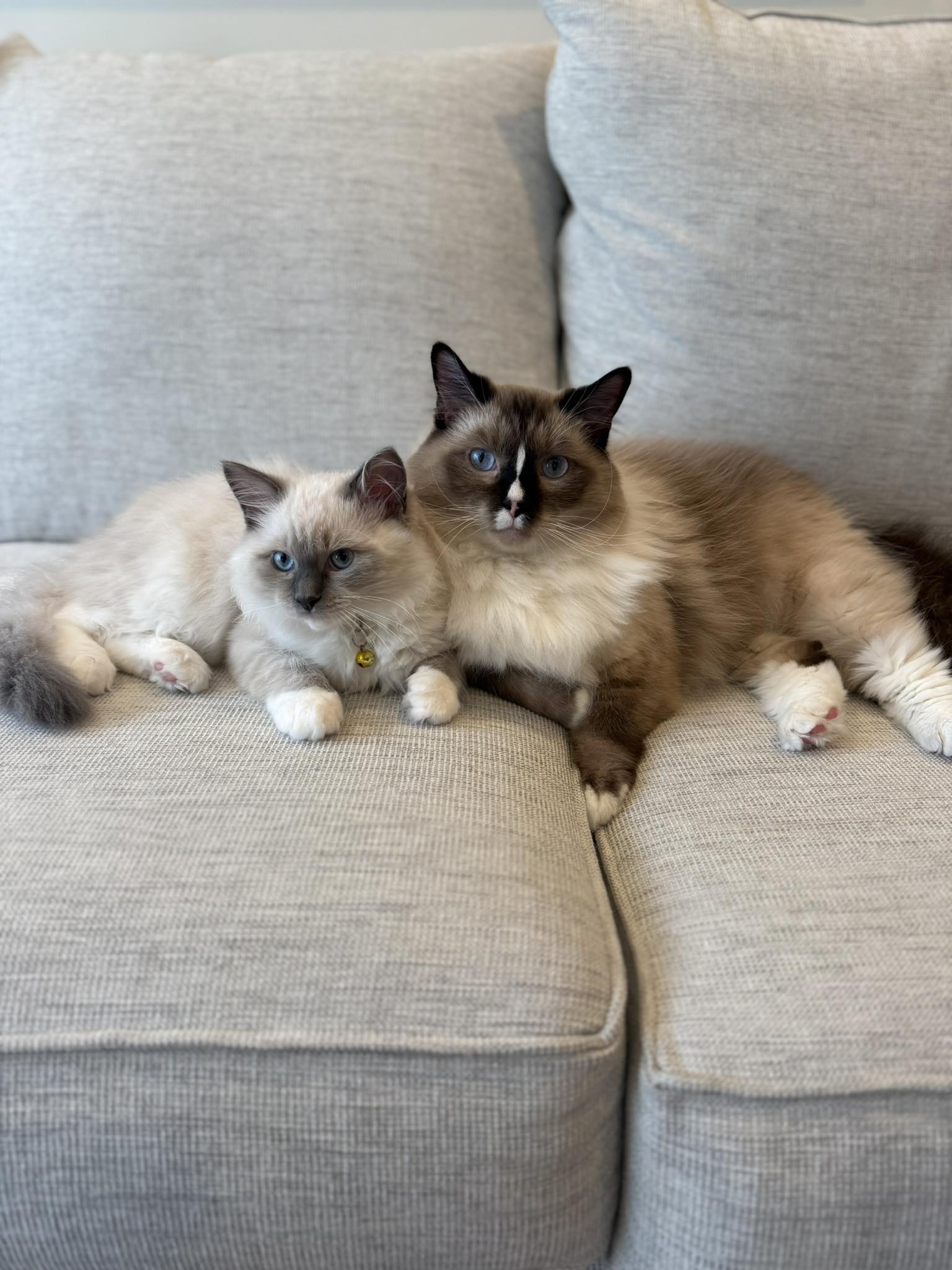
Nimbus came from a litter of 3 boys and 1 girl, and he was the cuddliest of all of them — male or female. That girl in the litter was perfectly sweet but noticeably more independent and sassier at times than the boys overall in that particular group. Flip the gender script completely from what you’d expect.
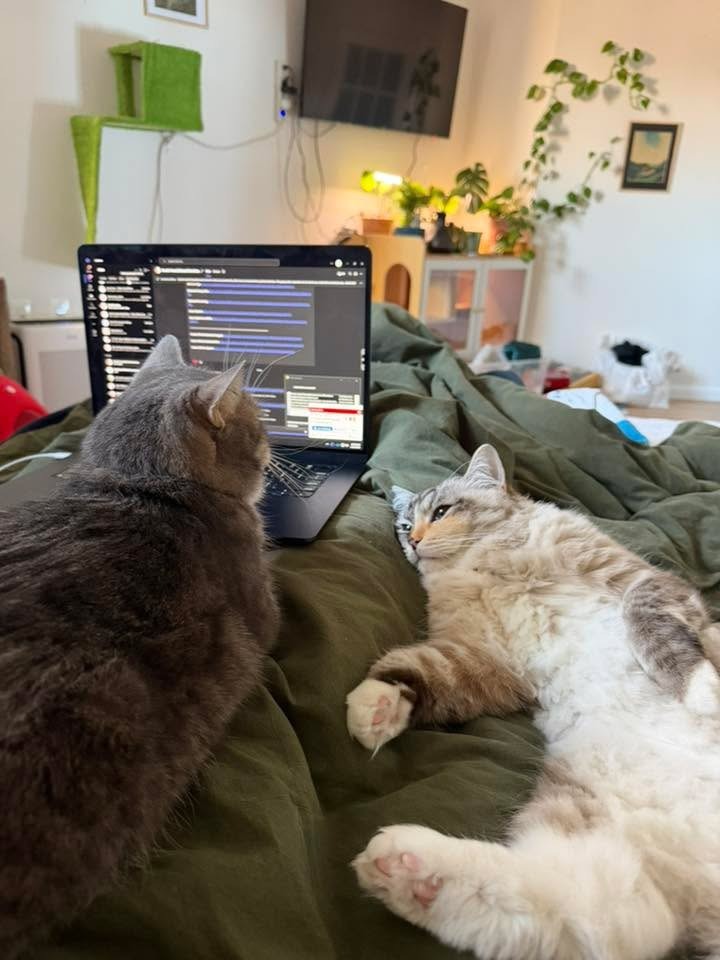
Tufi is a retired female Ragdoll queen who went to a new family after her time in the breeding program, and she’s become one of the most attached cats I’ve seen. She loves her new owner and her cat companion. Retired queens like her often surprise people with how deeply they bond once they settle into their new home — they’re not used to having just one person to focus on, and when they do, they go all in.
How to Actually Choose Between a Male or Female Ragdoll
My honest advice: stop focusing on gender and start asking your breeder about the specific kitten. Here’s what actually helps you make the right call.
- Which kitten in the litter is the most cuddly? If cuddliness is your priority, ask directly. A good breeder who has been watching the litter will know.
- Are there any kittens who seem shy or reserved? Not a dealbreaker, but good to know going in so you have realistic expectations for the adjustment period.
- How do they respond to being handled? A well-socialized kitten might not love it, but shouldn’t be panicked by it either.
- Does size matter to you? If you genuinely want a bigger cat, ask about the males. If you want something smaller and more manageable for kids to carry, ask about the females.
- Do you already have a cat at home? If so, tell the breeder. They can advise on which kitten temperament is likely to integrate best with your existing cat, regardless of sex.
If you’re looking for Ragdoll or Cherubim kittens, we have information about what’s available at AquaMarine Kittens here, and I’m always happy to talk through which kitten might be the right fit for your home specifically.
Videos: Other Breeders and Experts on Male vs Female Ragdolls
These videos are from outside our cattery — other breeders and cat channels sharing their own experiences on this topic. Worth watching if you want more perspectives on the male vs female Ragdoll question.
Should You Get a Male or Female Ragdoll Cat — The Cat Butler (not our cats)
The Key Differences Between Male and Female Cats — The Cat Butler (not our cats)
Male or Female Ragdoll? — Main differences and what to do if you already have one (not our cats)
Frequently Asked Questions About Male vs Female Ragdolls
Final Thoughts
The male vs female Ragdoll question is worth thinking about — size is a real difference and the general personality trends are worth knowing. But the individual cat matters more than the sex, and how that kitten was raised matters even more than that.
If you’re choosing a Ragdoll or Cherubim kitten, talk to your breeder. A good breeder will tell you which kitten in the litter is the cuddliest, which ones are more reserved, and which personality is likely to fit best with your home and family. That conversation is worth more than any general rule about gender.
Looking for a Ragdoll or Cherubim Kitten?
Raw-fed, TICA-registered, health-tested, and raised with socialization from day one in our Virginia home. Reach out and we’ll help you find the right fit.
View Available Kittens