Why Does My Kitten Have Diarrhea?
If you’re searching “why does my kitten have diarrhea” at midnight — take a breath. Kitten diarrhea is one of the most common concerns new cat owners face, and in most cases it resolves quickly with the right support at home. This guide covers everything you need to know: the 9 most common causes, what different poop types mean, and the natural remedies that work.
As a family of seven who raises and raw-feeds our Ragdoll kittens from birth, we’ve dealt with our fair share of upset tummies. Whether your kitten just arrived home, recently changed food, or has recurring loose stools — this guide will help you understand what’s happening and exactly how to fix it safely.
9 Common Reasons Why Your Kitten Has Diarrhea
Kittens have sensitive, still-developing digestive systems — things that wouldn’t affect an adult cat can easily upset a kitten’s gut. The cause is usually minor and straightforward to address once you know what to look for.
Switching food too quickly is the #1 cause. Always transition over 7–10 days.
Moving to a new home, new people, or loud environments can trigger immediate digestive upset.
Giardia, coccidia, and roundworms are common in young kittens and require vet treatment.
Panleukopenia and other infections can cause severe diarrhea — always vet-check persistent cases.
Most cats are lactose intolerant. Cow’s milk, cream, or fatty table scraps upset their stomach easily.
Antibiotics disrupt gut bacteria. Diarrhea during or after a course of medication is very common.
Sensitivity to a specific protein or ingredient can cause ongoing loose stools even on a complete diet.
Young kittens can eat too fast or too much, overwhelming their digestive system.
Household plants, cleaning products, or human foods (onion, garlic, xylitol) can cause sudden diarrhea.
Important: If your kitten’s diarrhea contains blood, is accompanied by vomiting, lethargy, or loss of appetite, or has lasted more than 24–48 hours, contact your veterinarian immediately. Kittens dehydrate very quickly and can deteriorate fast. For reliable guidance, see Cornell Feline Health Center’s guide on feline diarrhea.
Kitten Poop Guide: What Color & Consistency Mean
One of the most practical tools for understanding why your kitten has diarrhea is knowing what the stool itself is telling you. This is a general reference — your vet is always the best source for a definitive diagnosis.
Why Raw-Fed Kittens Can Still Get Diarrhea
Even kittens on a species-appropriate raw diet can experience loose stools — which surprises many owners who are already feeding what they consider the healthiest diet. If you’re new to raw feeding, see our guide: 7 Positive Reasons Answering: Can Cats Eat Raw Meat?
The most common raw-feeding triggers are too much fat in a single meal, introducing a new protein too quickly, or a rich protein like heart or liver in too large a quantity. If your raw-fed kitten suddenly has diarrhea, think back to whether anything changed in the last 24–48 hours. The fix is usually simple: temporarily reduce portion size, hold off on richer proteins, and support the gut with one of the natural remedies below.
4 Natural Home Remedies for Kitten Diarrhea
For mild, uncomplicated diarrhea in a kitten that is otherwise alert, eating, and hydrated, these natural remedies are gentle, effective, and safe. Always ensure fresh water is freely available — hydration is the top priority.
Pumpkin is one of the most well-known and vet-approved natural remedies for kitten diarrhea. Its high soluble fiber content absorbs excess water in the intestines and helps firm up loose stools.
What to use: Plain canned pumpkin puree — not pumpkin pie filling, which contains sugar and spices harmful to cats. Any brand works as long as it is 100% pure pumpkin. Libby’s is widely available and reliable. For kittens, Beechnut or Gerber plain turkey or chicken baby food (all-meat, no onion or garlic) is often easier to administer and just as effective.
A small 1ml feeding syringe makes dosing easy. Draw up 1ml of plain pumpkin puree and gently squirt it into the side of the mouth — the “cheek pocket” — twice a day until stools firm up. Too much pumpkin can cause constipation, so stick to the 1ml dose.
Slippery elm is an herbal remedy made from the inner bark of the North American elm tree. It contains mucilage — a substance that forms a soothing gel coating the lining of the digestive tract, reducing inflammation and firming up stools naturally. According to research published in the Journal of Ethnopharmacology, slippery elm has well-documented anti-inflammatory properties in the gastrointestinal tract.
A veterinary study found that slippery elm produced positive results in 79% of cats with diarrhea within just 2 days — making it one of the best-supported natural remedies available.
How to prepare: Mix ¼ teaspoon of slippery elm bark powder with ½ teaspoon of cool water and stir until smooth. Draw 1ml into a small feeding syringe and administer into the cheek pocket twice daily until stools firm up — usually within 1–2 days.
Tips: Slippery elm has a mild, slightly sweet taste most cats tolerate well. Do not add honey — safe for dogs but not for cats. Give at least 1 hour away from any medications, as the mucilage coating can interfere with absorption.
Knowing what to feed a kitten with diarrhea is just as important as the remedies themselves. For kittens over 12 weeks, a 4–6 hour food fast (never longer for young kittens) while maintaining full access to fresh water gives the gut a chance to settle. Do not fast kittens younger than 12 weeks — they need frequent feeding to maintain blood sugar.
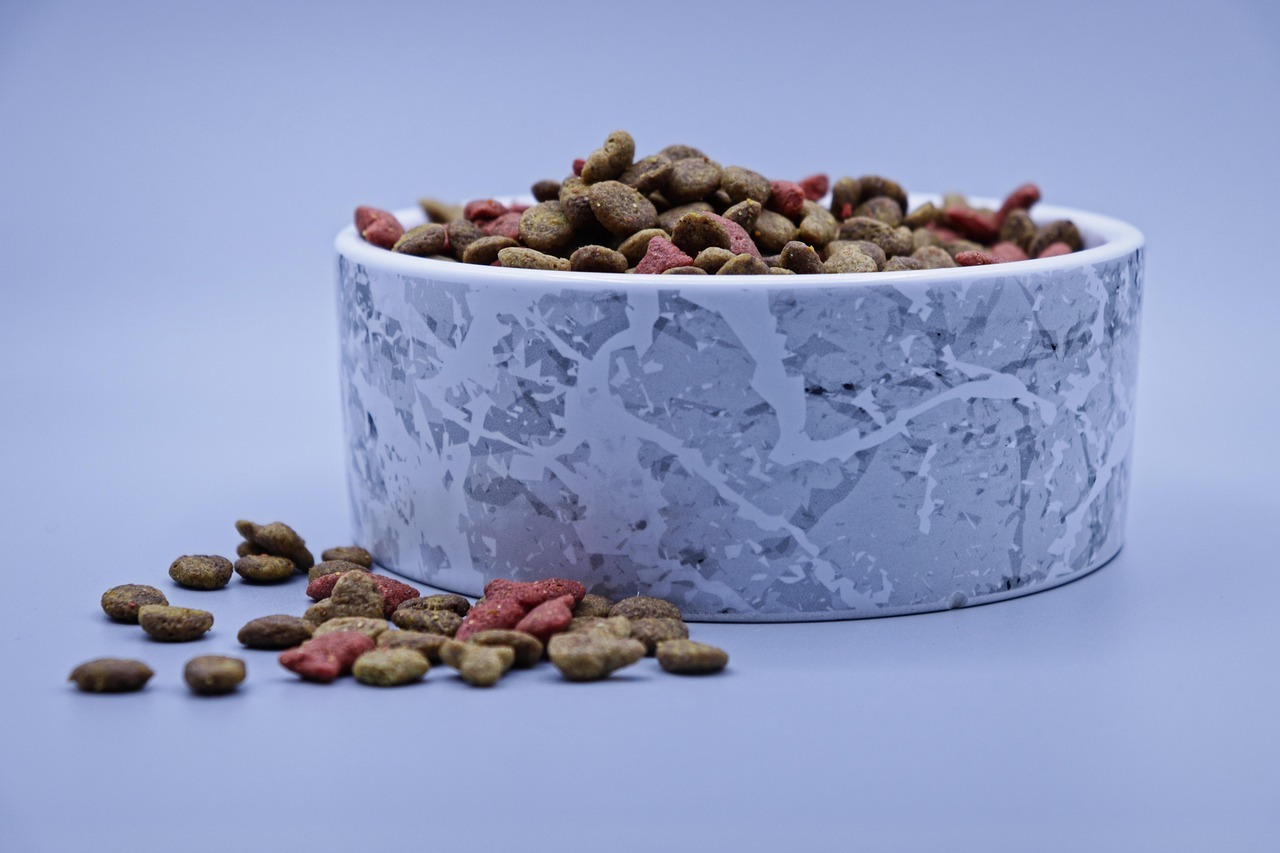
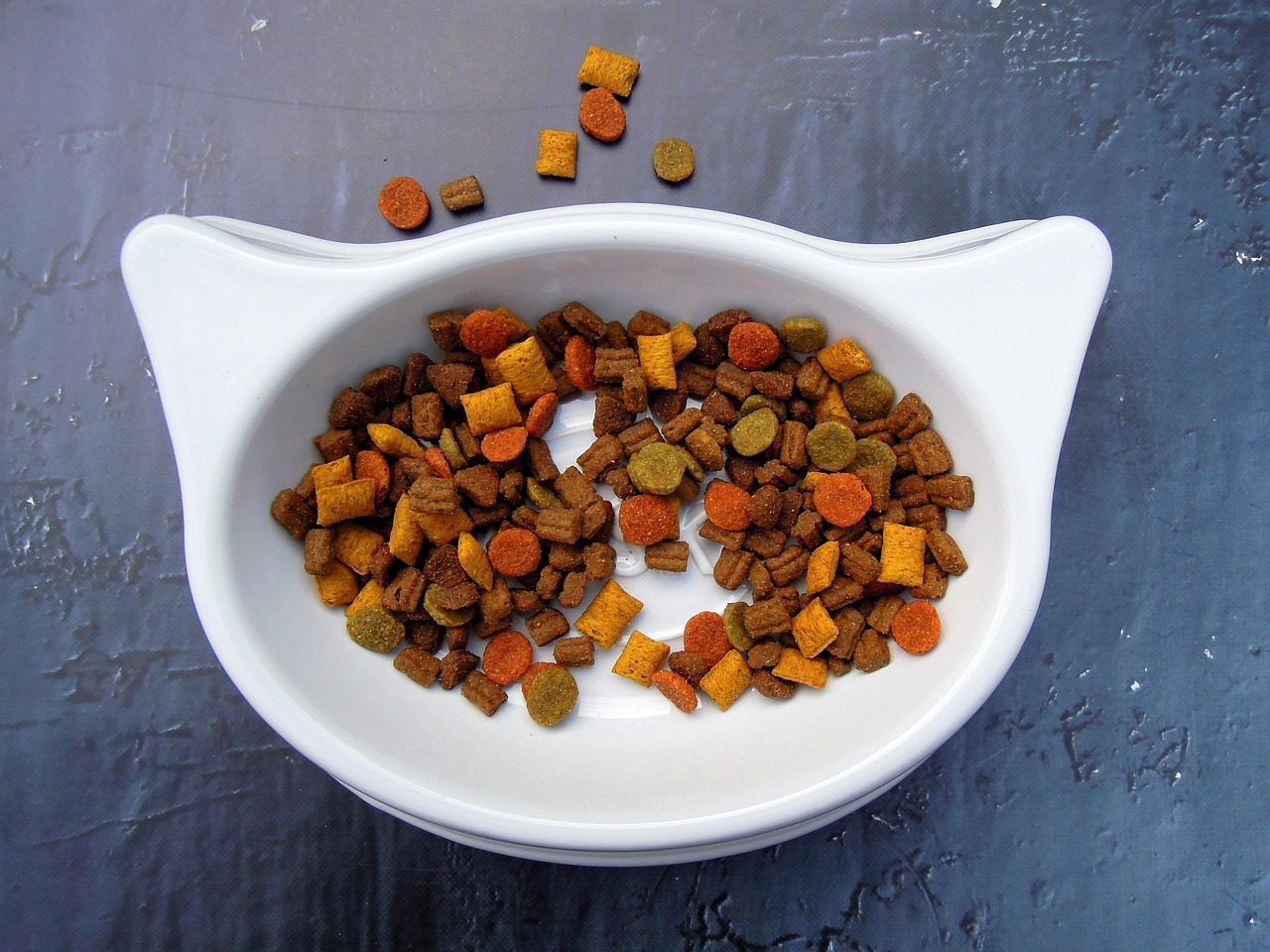
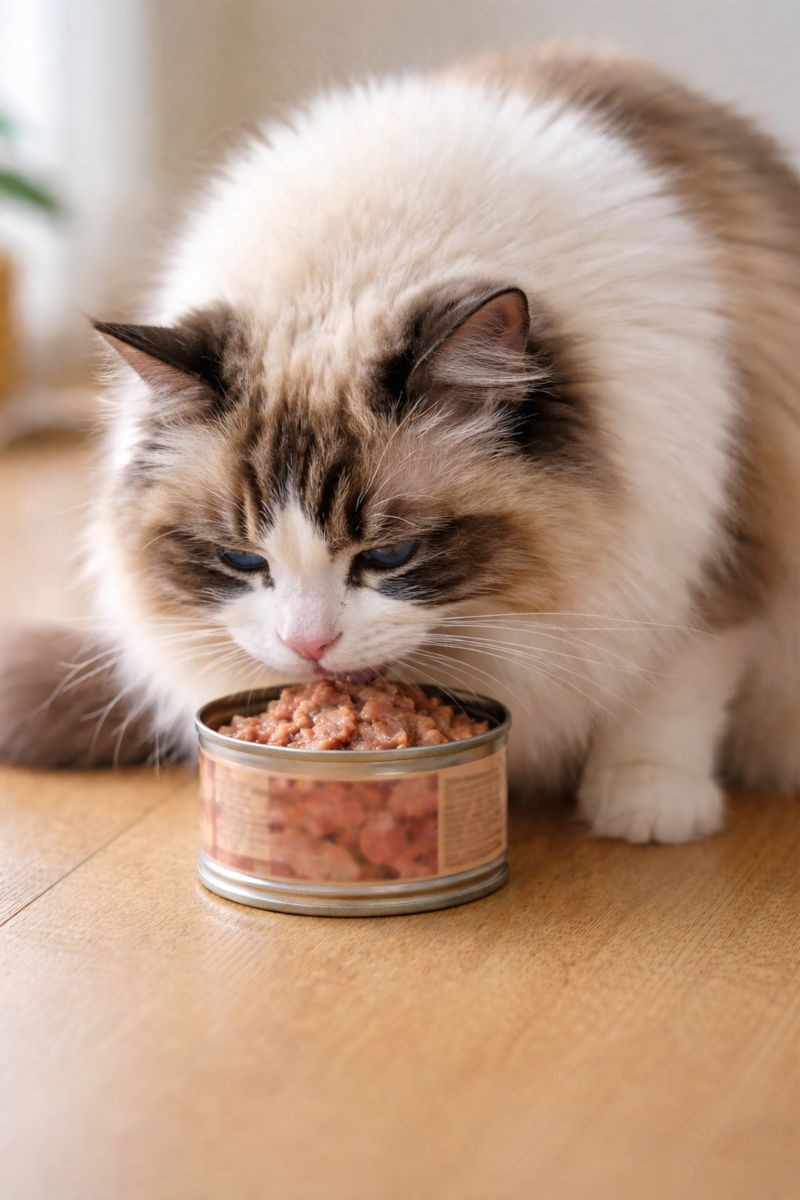
After the fast, reintroduce food as a bland, easy-to-digest option. For raw-fed kittens: offer plain boiled chicken breast or turkey (no skin, no seasoning) in small, frequent portions. For kibble-fed kittens: plain boiled chicken or a small amount of plain white rice with chicken broth (no onion, no garlic) can be offered.
Probiotics help restore the balance of healthy gut bacteria — especially useful when kitten diarrhea is caused by antibiotics, stress, or a diet change. Look for a cat-specific probiotic or one containing Saccharomyces boulardii, which has strong evidence for treating diarrhea in pets. The VCA Animal Hospital has probiotics for cats and is a helpful reference for choosing a reliable product.
Probiotics work best when combined with one of the other remedies above — especially slippery elm or pumpkin.
A Note on Blood in the Stool
When to Contact Your Vet
Stop home treatment and call your vet if your kitten shows any of the following:
- Blood in stool that persists beyond 24–48 hours or is increasing
- Dark, tarry, or black stools (sign of upper GI bleeding)
- Diarrhea lasting more than 24–48 hours despite home treatment
- Vomiting alongside diarrhea
- Lethargy, weakness, or unresponsiveness
- No interest in food or water
- Sunken eyes or dry, tacky gums (signs of dehydration)
- Kitten is under 8 weeks old — any diarrhea needs vet attention
How to Prevent Kitten Diarrhea Coming Back
Prevention is far easier than treatment. The most important steps to stop your kitten from developing diarrhea again:
- Transition food changes slowly over 7–10 days — never switch abruptly
- Keep the environment calm during the first few weeks in a new home
- Ensure they are dewormed and up to date on core vaccines
- Avoid dairy, table scraps, or rich fatty foods entirely
- For raw-fed kittens: introduce new proteins one at a time and in small quantities
- Keep organs like liver to no more than 5–10% of the total diet to avoid excess vitamin A
If kitten diarrhea keeps coming back despite your best efforts at home, a fecal test from your vet is the single most useful next step — it rules out parasites quickly and inexpensively. The AVMA’s pet owner resource on diarrhea also provides solid guidance on when to seek veterinary care.
Frequently Asked Questions
If your kitten has diarrhea but is eating, playing, and acting normally, the cause is most likely a minor gut upset — stress, a dietary change, or eating too quickly. Use slippery elm and pumpkin to support recovery, ensure fresh water is available, and monitor for 24–48 hours. If diarrhea persists or your kitten’s behavior changes, contact your vet.
Mild, uncomplicated diarrhea in an otherwise healthy kitten should resolve within 24–48 hours with supportive care. If it persists beyond 48 hours or your kitten seems unwell, contact your vet. Kittens dehydrate very quickly compared to adult cats.
Yes — plain meat baby food (such as Beechnut or Gerber chicken or turkey) is gentle and easy to digest, making it a great short-term option. Always check the label to ensure it contains no onion, garlic, cornstarch, or other additives, as these are harmful to cats.
Yes, plain pumpkin puree is safe and beneficial for kittens in small amounts. Use 1ml twice daily and make sure it’s 100% plain pumpkin — not pumpkin pie filling. Too much can cause constipation, so start small.
Slippery elm is considered very safe for cats and kittens. For young kittens, ¼ teaspoon of powder mixed with ½ teaspoon of water given twice daily is a good starting point. Always let your vet know if your kitten has moderate or severe symptoms alongside the diarrhea.
Very common. Stress from rehoming is one of the leading triggers for kitten diarrhea. Give your new kitten a quiet, calm space to decompress, keep its diet the same as what the breeder was feeding, and use slippery elm or pumpkin as support. If symptoms persist beyond 48 hours or worsen, check in with your vet.
Yellow or mustard-colored watery diarrhea in kittens is one of the most recognizable signs of coccidia — a common intestinal parasite. It can also result from stress or food intolerance. If home remedies don’t resolve yellow kitten diarrhea within 48 hours, a vet fecal test is strongly recommended.
Looking for a Healthy, Well-Raised Ragdoll Kitten?
Our kittens are family-raised, raw-fed from birth, and go home with full feeding guidance and health support. We’re always here to help with questions like these.
Contact AquaMarine Kittens