Is Dry Cat Food Bad? 9 Pros & Cons Every Cat Owner Should Know
Is dry cat food bad for your kitten? It’s one of the most searched questions in cat nutrition — and the honest answer isn’t a simple yes or no. Here’s what I’ve seen firsthand, what the science says, and how to make the best decision for your cat.
Table of Contents
At AquaMarine Kittens, we aim to educate new owners about kitten nutrition honestly. I’ve personally fed dry food to my cats over the years and noticed real issues — digestive problems, weight struggles, dull coats — that convinced me to focus on raw and wet food instead. This guide breaks down the full picture so you can make an informed choice.
Why Dry Cat Food Is So Common
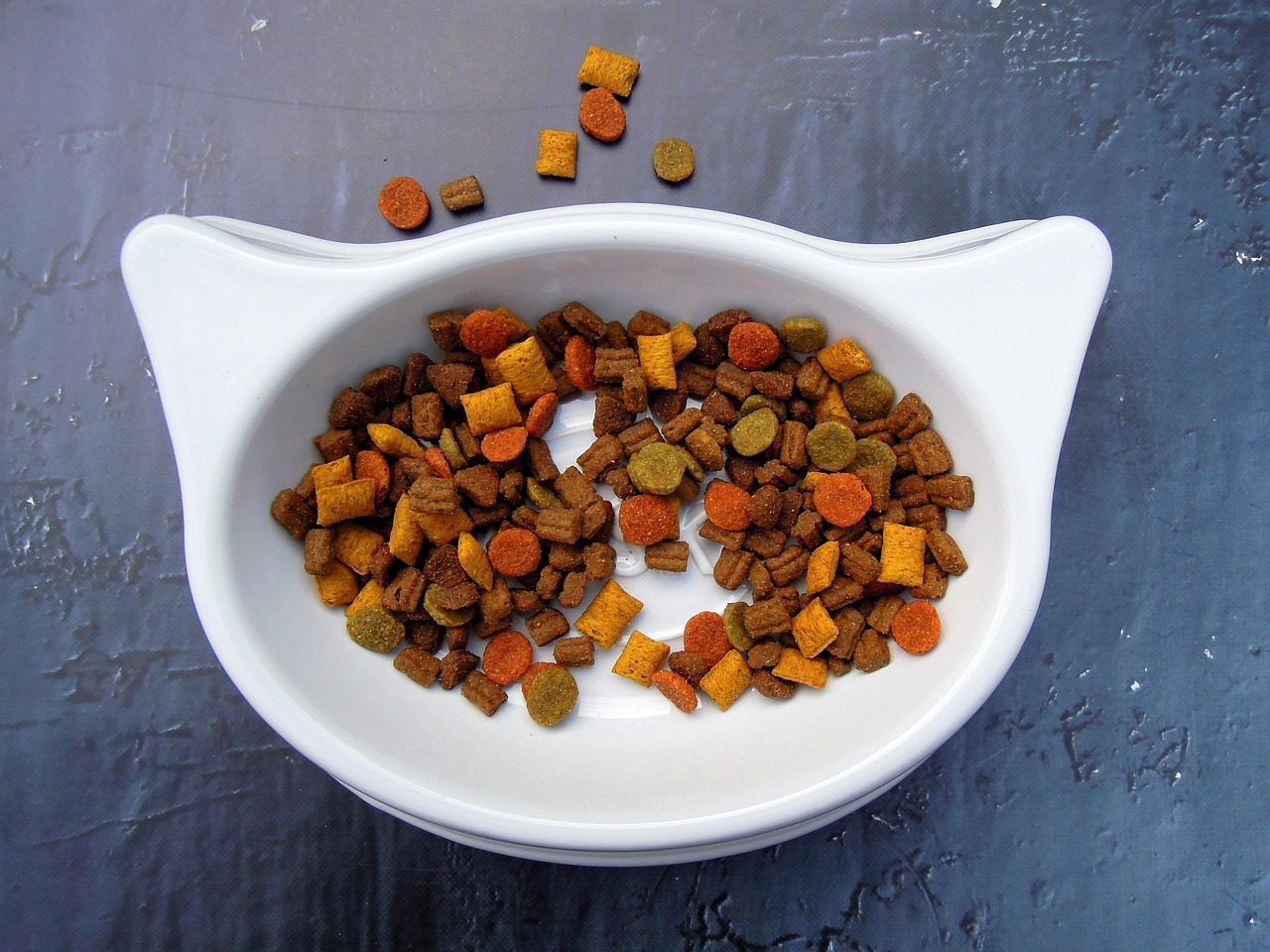
Before asking is dry cat food bad, it helps to understand why it’s become the default for so many owners. The appeal is straightforward:
Why So Many Owners Choose Dry Food
- Convenient and extremely easy to serve
- Affordable compared to wet or raw options
- Long shelf life and simple to store
- Useful for free-feeding throughout the day
- Widely available in every pet store and grocery chain
None of these reasons are wrong — and dry food isn’t universally bad. But convenience can come with trade-offs that affect your cat’s long-term health. Whether kibble is bad for cats ultimately depends on the quality of the food and how it’s used.
4 Pros of Dry Cat Food
Dry cat food has real advantages — especially when chosen carefully. Here are the four that matter most when weighing the dry cat food pros and cons.
Dry food is easy to measure, store, and serve. For busy owners, it removes the daily complexity of meal prep and reduces the risk of forgetting to feed — especially useful with automatic feeders.
A bag of quality dry food stays fresh for months when stored properly. No refrigeration, no waste from uneaten portions going bad — much simpler logistics than wet or raw diets.
Individual kibble pieces work well as training rewards or in puzzle feeders. Food puzzles are a great way to engage your kitten’s natural hunting instincts and slow down fast eaters.
High-quality dry food with named animal protein as the first ingredient, minimal carbs, and no artificial additives can be a reasonable component of a broader kitten nutrition plan — especially when paired with wet or raw meals.
5 Cons of Dry Cat Food
This is where the question “is dry cat food bad” gets its weight. Many owners say their cat seems fine on dry food — but in my experience, the problems often develop quietly and aren’t obvious until they’ve been building for a while. Here are the five issues I see most often.
Dry food contains only 5–10% moisture — compared to approximately 70% in a cat’s natural prey. Cats have a naturally low thirst drive and were designed to get most of their water from food. Chronic low hydration is directly linked to urinary tract problems, kidney strain, and painful blockages over time. This is the single biggest reason veterinary nutritionists question whether kibble is bad for cats long-term.
Cats are obligate carnivores — their digestive systems are not designed for high carbohydrate intake. Most dry foods rely on starches and plant-based ingredients to hold the kibble together, which disturbs insulin balance and significantly increases the risk of diabetes and obesity over time. This is a core issue in the dry vs wet cat food debate.
In my personal experience feeding dry food, I noticed frequent soft stools and occasional diarrhea in my cats. The high plant content and low moisture make digestion harder work for a carnivore’s gut. Many owners don’t realize their cat’s digestive health is compromised until they switch to wet or raw food and see an immediate improvement.
Cats fed primarily dry food often have dull, less vibrant coats and can struggle to maintain healthy weight. The lower bioavailability of plant-based proteins means cats may eat plenty of calories without getting the nutrients they need — leaving them thin despite eating regularly. When I switched to raw feeding, coat quality improved noticeably within weeks.
Cats fed mostly dry food in my cattery were more prone to minor illnesses and took longer to recover. A diet that doesn’t align with a cat’s biological needs places ongoing stress on the immune system. Switching to a moisture-rich, species-appropriate diet — whether wet or raw diet for cats — consistently produced healthier, more resilient cats.
Ingredients to Avoid vs. Look For
If you do use dry food, reading the label is essential. Cat food ingredients vary enormously in quality — and the difference between a decent kibble and a harmful one often comes down to a few key items.
Avoid These Ingredients
- Corn, wheat, soy — biologically inappropriate fillers
- Unnamed meat meals or by-products
- Excess legumes — peas, lentils, chickpeas
- Artificial colors, flavors, preservatives
- Sugars or sweeteners of any kind
- Plant-based proteins as the primary protein source
Look For These Instead
- Named animal protein first — chicken, turkey, fish
- Minimal carbohydrate content overall
- Added taurine — essential for cat heart health
- No artificial additives or fillers
- Limited ingredient formulas
- Transparent sourcing from reputable brands
How to Make Dry Cat Food Healthier
If you use dry food, there are practical ways to reduce its risks and improve your kitten’s overall kitten nutrition without a complete overnight switch.
Mix a small amount of warm water or wet food into the dry kibble to significantly boost moisture content. Even a partial improvement in hydration makes a real difference over time.
Feeding the same protein every day can trigger sensitivities. Rotating between chicken, turkey, and fish keeps nutrition varied and reduces the risk of food intolerances developing.
Even replacing one dry meal a day with wet or raw food significantly improves hydration and protein bioavailability. You don’t have to go fully raw overnight — gradual improvement matters.
Soft stools, frequent vomiting, or signs of dehydration are early signals that your cat’s diet isn’t working well. These are worth addressing early rather than waiting for larger health issues to emerge.
At AquaMarine Kittens, we start all of our kittens on a raw diet for optimal hydration and nutrition. The difference in coat quality, stool quality, weight, and energy compared to dry-fed cats is immediately noticeable. For more detail on raw feeding, read our full guide: Raw Diet for Cats. For trusted independent cat nutrition research, catinfo.org is an excellent resource.
If you do choose to feed dry food, see our guide to the Healthiest Dry Cat Food for the best options available. And if you’re considering wet food, our Best Grain-Free Canned Cat Food guide covers the top picks for a moisture-rich, species-appropriate diet.
Watch: Dry vs. Wet vs. Raw Cat Food
This video breaks down the differences between dry, wet, and raw cat food in a clear, visual way — helpful if you’re weighing your options for best food for kittens or trying to understand what a species-appropriate diet actually looks like in practice.
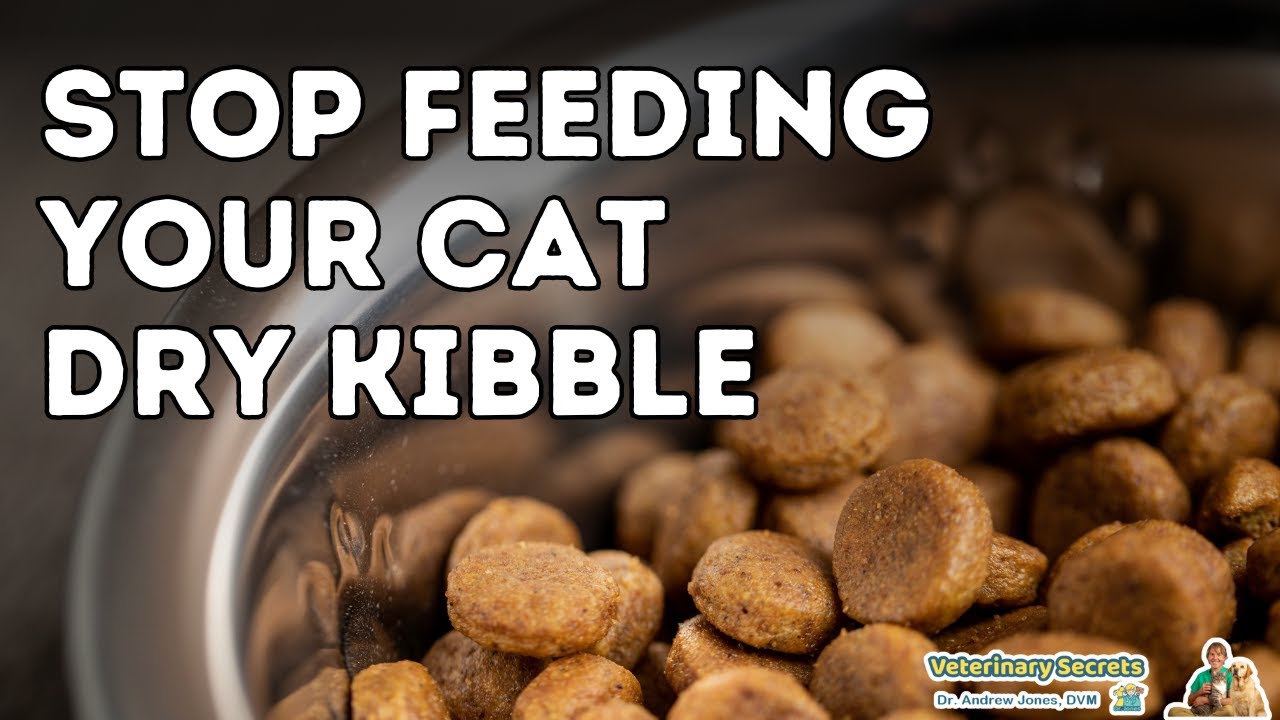
Video: A clear comparison of dry, wet, and raw cat food — what the differences mean for your cat’s health.
Final Thoughts: Is Dry Cat Food Bad?
- Dry food isn’t automatically bad — but low quality dry food fed exclusively long-term carries real health risks
- The biggest issues are chronic dehydration and high carbohydrate content, which cats are not biologically designed for
- Reading labels carefully and choosing named animal protein first makes a significant difference
- Adding wet or raw meals alongside dry food dramatically improves outcomes for most cats
- Cats may appear fine on dry food for years — but digestive issues, weight problems, and immune weakness are often building quietly
Our Ragdoll and Cherubim kittens go home raw-fed, healthy, and thriving. Come see who’s available.
Meet Our Available Kittens