 Skip to content
 Can Cats Eat Raw Meat? 7 Things Every Owner Should Know
Can cats eat raw meat? It’s one of the most searched questions among cat owners today — and the honest answer is yes. Cats can eat raw meat, and many genuinely thrive on it. But how you source it, balance it, and introduce it matters enormously. This guide goes beyond the surface-level answers, drawing on years of real cattery experience to give you the full, honest picture.
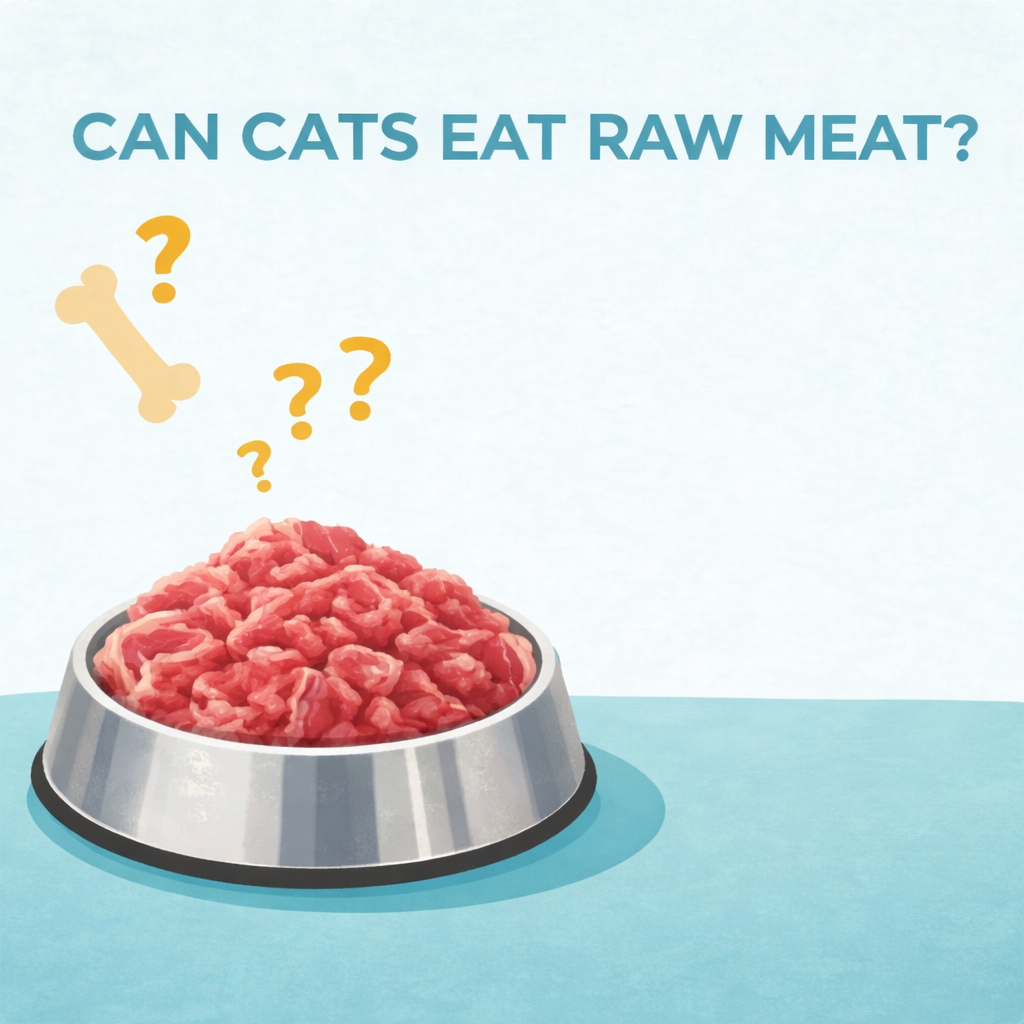
Table of Contents
Why Cats Can Eat Raw Meat
Cats are obligate carnivores. That’s not a preference — it’s biology. Their digestive systems are specifically built to process raw animal protein, and in nature, the question of whether cats can eat raw meat would never come up. They hunt. They eat. Raw meat is their native diet.
In a home environment, the calculus changes slightly. Food quality, bacterial load, and nutritional balance matter more than they do in the wild. That’s why so many cat owners pause before making the switch. But when raw meat is sourced properly, handled safely, and fed in a nutritionally balanced way, cats can eat raw meat without issue — and most do significantly better on it than on processed kibble.
My Real Experience Feeding Raw Meat to Cats
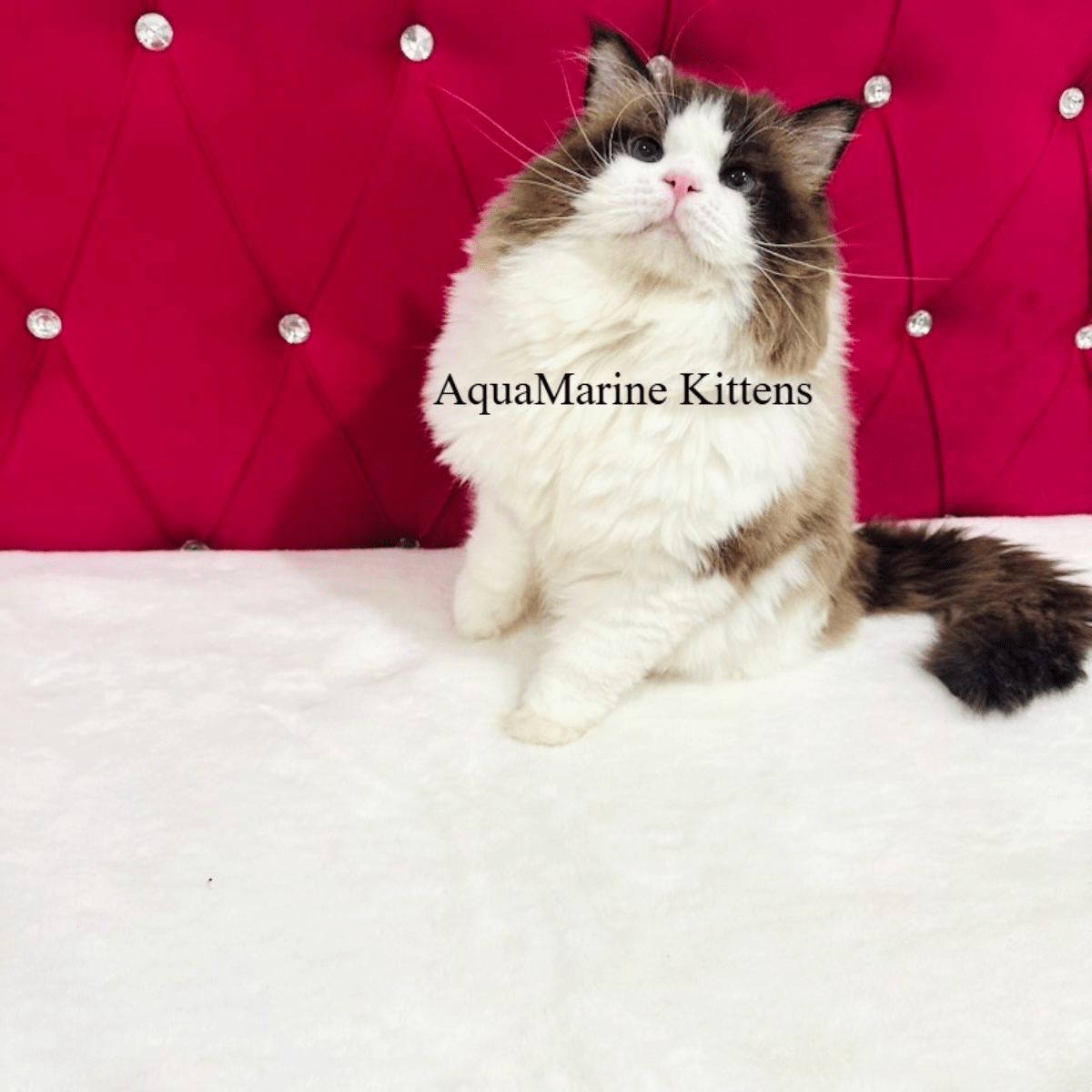
I’m not writing this from a research standpoint alone. I’ve raised Ragdolls for years and have personally witnessed what happens when you make the switch to feeding raw meat to cats. Before raw feeding, my cats had constant issues — digestive problems, inconsistent weight, dull coats, and slow recovery after nursing. Nothing I tried with high-quality kibble and wet food made a meaningful difference.
When I finally committed to answering whether cats can eat raw meat by actually doing it, everything changed — not gradually, but noticeably and quickly. I now make 40–60 lb batches of human-grade raw meat at a time, lasting one to three months depending on kittens and nursing queens. It is work. But the results I see every single day make every minute of prep completely worth it.
Results I’ve Seen Firsthand
My stud arrived at 9 lbs, unable to fill out on any kibble. After switching to raw meat, he reached 13 lbs in a couple of months — lean, muscular, and healthy.
Queens used to lose noticeable weight while feeding litters. On a raw meat diet, they maintain their condition far better and recover dramatically faster after weaning.
My 6-month-old kittens average around 10 lbs because they start eating raw meat the moment they begin solids — jumpstarting growth during the most critical window.
Chicken necks are a regular part of the raw meat diet here. They strengthen jaws and keep teeth naturally clean with noticeably less buildup.
Far fewer infections across the cattery since switching to raw. The cats look healthier, recover faster, and show a resilience I simply didn’t see before.
Before raw meat: diarrhea, soft stools, and strong odors were constant. After: solid stools, almost no smell, and very little digestive upset at all.
7 Things Every Owner Should Know Before Feeding Raw Meat to Cats
What Raw Meat Can Cats Eat — and What to Avoid
Not all proteins are created equal when it comes to feeding raw meat to cats. Here’s a practical breakdown of what works well, what to use in moderation, and what to leave out entirely.
| Category | Options | Notes |
|---|---|---|
| ✓ Excellent | Chicken, turkey, rabbit | Lean, digestible, great as the base of a raw meat diet for cats |
| ✓ Excellent | Chicken necks, wings | Raw meaty bones — great for teeth, calcium, and jaw strength |
| ✓ Excellent | Beef, lamb | Richer proteins; good variety rotation for adult cats |
| ✓ Excellent | Chicken liver, beef liver | Highly nutrient-dense; feed at 10–15% of the raw meat diet |
| ✓ Good | Sardines, mackerel (fresh or frozen) | Rich in omega-3s; excellent coat and immune support |
| ✓ Good | Heart (chicken, beef) | Muscle meat with high natural taurine — an important addition |
| ✗ Avoid | Deli meats, processed meats | High in salt and preservatives — not appropriate for cats eating raw |
| ✗ Avoid | Cooked bones of any kind | Splinter and cause internal injury — raw only, always |
| ✗ Avoid | Onion, garlic, seasoned meat | Toxic to cats regardless of preparation |
| ✗ Avoid | Raw salmon (frequently) | Can carry parasites; freeze thoroughly before feeding |
How Raw Meat Affects Cat Digestion and Stools
One of the first things people notice when cats start eating raw meat is the change in their stools — and it catches a lot of owners off guard in the best way. Because raw meat is highly digestible and contains no fillers, stools become smaller, firmer, and carry almost no odor compared to cats fed primarily dry kibble.
This happens because the body is actually using the nutrients instead of passing them through as waste. Before switching to raw meat, digestive issues were a constant background challenge in my cattery — soft stools, odor, occasional diarrhea. After the switch, they essentially disappeared. That change alone confirmed I’d made the right call.
Cats eating raw meat also tend to drink less water, because raw meat has a naturally high moisture content — typically 65–70% — compared to kibble which can be as low as 10%. This increased hydration supports kidney health over a cat’s lifetime, which is particularly relevant for breeds like Ragdolls.
All AquaMarine kittens start eating raw meat the moment they begin solids. Every going-home package includes a raw feeding guide so your kitten continues exactly what they’re used to. We’re also happy to walk you through our recipes and routine — breeder support is lifetime, not just until pickup day.

Helpful Raw Feeding Resources for Cats
If you’re just getting started with feeding raw meat to cats and want visual, step-by-step guidance, these two YouTube channels were instrumental for me in the beginning. Both make the idea of a raw meat diet for cats feel genuinely approachable.
For additional reading on feline nutrition and the science behind why cats can eat raw meat safely, the Cornell Feline Health Center’s nutrition guide and International Cat Care’s feeding resource are both worth reading alongside your raw feeding research.
Frequently Asked Questions About Cats Eating Raw Meat
All our Ragdoll and Cherubim kittens go home raw-fed, with a feeding guide and lifetime support. Come meet who’s available.
Meet Our Available Kittens