 Skip to content
 Best Cat Litter: Why We Use Pine Pellets at AquaMarine Kittens
After years of testing nearly every litter available, pine pellet litter is the only one we use at AquaMarine Kittens — and in this guide I’ll explain exactly why, how it works, and what you need to know before making the switch.
Pine pellet litter works exceptionally well in our cattery largely because our cats are raw fed. Raw-fed cats produce stool that has almost no odor — which makes pine pellets perform like magic. If your cat eats dry kibble or wet food, their stool will smell significantly more than a raw-fed cat’s. Pine pellets do not mask strong stool odor the way some clay litters do. You’ll still benefit from the urine odor control, but managing solid waste smell may require more frequent scooping. Keep this in mind when setting your expectations.
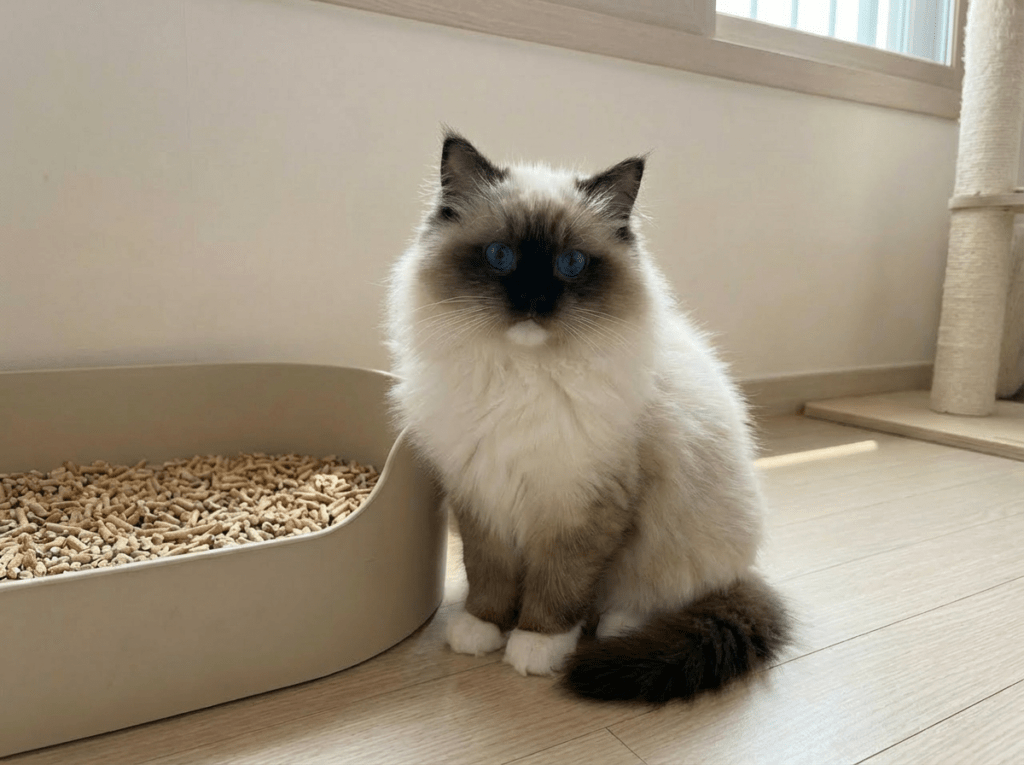
Table of Contents
Why Choosing the Best Cat Litter Matters
Litter affects odor, cleanliness, air quality, and even your cat’s overall comfort. It’s one of the most important decisions you make as a cat owner — and yet most people stick with whatever they grabbed first at the store.
Over the years I’ve tried nearly every type available: clumping clay, low-dust formulas, crystal litter, and natural blends. No matter the brand or price, I always ran into the same problems:
The Problems With Traditional Litter
- Strong odor even with daily scooping
- Urine clumps sticking to the bottom of the box
- Heavy litter waste — expensive and wasteful
- Dust clouds when pouring or scooping
- Tracking throughout the entire house
- Ammonia smell building up quickly between cleans
Because of those issues, I used to keep litter boxes near windows or hidden in the laundry room — far from living spaces. Everything changed when I tried pine pellet litter while litter training kittens. The difference was immediate. There was no odor at all. That was the moment I realized I had finally found the best cat litter.
How Pine Pellet Litter Works
Pine pellet litter is made from compressed pine sawdust. When your cat urinates, the pellets absorb moisture and naturally break down into fine sawdust. That sawdust falls to the bottom of the box — or straight through a sifting tray — while the clean pellets remain on top.
Unlike Traditional Clumping Litter
- Nothing sticks to the bottom of the box
- No ammonia smell forms as urine sits
- No dust clouds when scooping or pouring
- No scraping or chipping hardened clumps
- The natural pine scent neutralizes odor passively
This natural breakdown process is what makes pine pellets one of the best cat litter options available — especially for urine odor control.
How to Sift Pine Pellet Litter (Step-by-Step)
Proper sifting is the key to keeping pine pellet litter clean and completely odor-free. It takes only a few minutes once you have the routine down.
A two-tray sifting litter box is ideal — it has slots that let broken-down sawdust fall through while holding the clean pellets. A wide-slotted scoop also works if you don’t have a sifting box yet.
Remove solid waste as you normally would. This is especially important if your cat is on dry or wet food — more frequent scooping keeps stool odor from building up.
Gently shake the tray so the broken-down sawdust falls through the slots into the lower tray. The intact pellets stay on top — ready for another use.
Discard the powdery sawdust. Because pine is biodegradable, it can safely be disposed of in wooded areas, compost, or regular waste.
Add a small amount of fresh pellets to maintain a clean surface layer. You only need to top off — not replace the whole box each time.
Pros and Cons of Pine Pellet Litter
No litter is perfect — here’s an honest look at both sides to help you decide if pine pellets are the best cat litter choice for your household.
Pros
- Minimal to no urine odor
- Easy to sift and maintain
- Virtually dust-free
- Environmentally friendly and biodegradable
- Safe and non-toxic for cats
- Nothing sticks to the box
- Very little tracking
- Excellent for kittens and adults
- Extremely affordable
Cons
- Some cats don’t cover stool as well as with clay litter
- Texture adjustment period for cats used to clay
- Stool odor from dry or wet-fed cats is more noticeable — pine doesn’t mask it the way clay does
- Requires a sifting box for easiest maintenance
One of the main reasons pine pellets work so exceptionally well in our cattery is that our cats are raw fed — and raw-fed cats’ stool is almost completely odorless. Pine pellets excel at neutralizing urine odor, but they don’t mask strong stool smells the way scented clay litter might. If your cat eats dry kibble or wet food, their stool will be noticeably more pungent. Pine is still a great choice, but you’ll need to scoop solid waste more promptly to keep things fresh.
Raw Feeding Makes Pine Pellet Litter Even Better
At AquaMarine Kittens, our cats are fed a raw diet — and this is a big part of why our litter boxes are virtually odor-free. The combination of raw feeding and pine pellets is, in our experience, the best cat litter setup possible.
Why Raw-Fed Cats Produce Less Litter Box Odor
- Raw-fed cats produce significantly less waste overall
- Stools are firmer and far less pungent — almost no smell
- Food is digested more efficiently, leaving less odorous byproduct
- No artificial fillers or plant-based carbohydrates fermenting in the gut
When paired with pine pellet litter, the result is a litter box that you can keep in a living area without any unpleasant smell — something that simply wasn’t possible with clay litter and kibble. To learn more about raw feeding, read our full guide: 7 Positive Reasons Answering “Can Cats Eat Raw Meat?”
Great for Single-Cat Owners Too
Pine pellet litter isn’t just ideal for breeders or multi-cat homes — it’s also one of the best cat litter options for single-cat households, including apartments, condos, and small spaces where odor control really matters.
For One Cat
- A 40 lb bag can last up to two months
- Urine odor control is even more noticeable with fewer cats
- Daily cleaning takes only a few minutes
- Very little tracking around the home
- Safe for apartments, condos, and small spaces
Many single-cat owners struggle with persistent odor using traditional litter. Pine pellets keep the box clean and fresh with minimal effort — which is exactly why they’ve earned their place as the best cat litter for low-maintenance households.
Cost Breakdown: Surprisingly Affordable
One of the most underrated advantages of pine pellets is how far they go. We purchase ours from Tractor Supply:
Compared to premium clumping litters that cost $20–$30 for a fraction of the weight and lifespan, pine pellets save a significant amount over time. It’s the best cat litter for both performance and value.
Watch: Pine Pellet Litter in Action
These two videos show pine pellet litter being used and sifted so you can see exactly what the process looks like before committing to the switch.
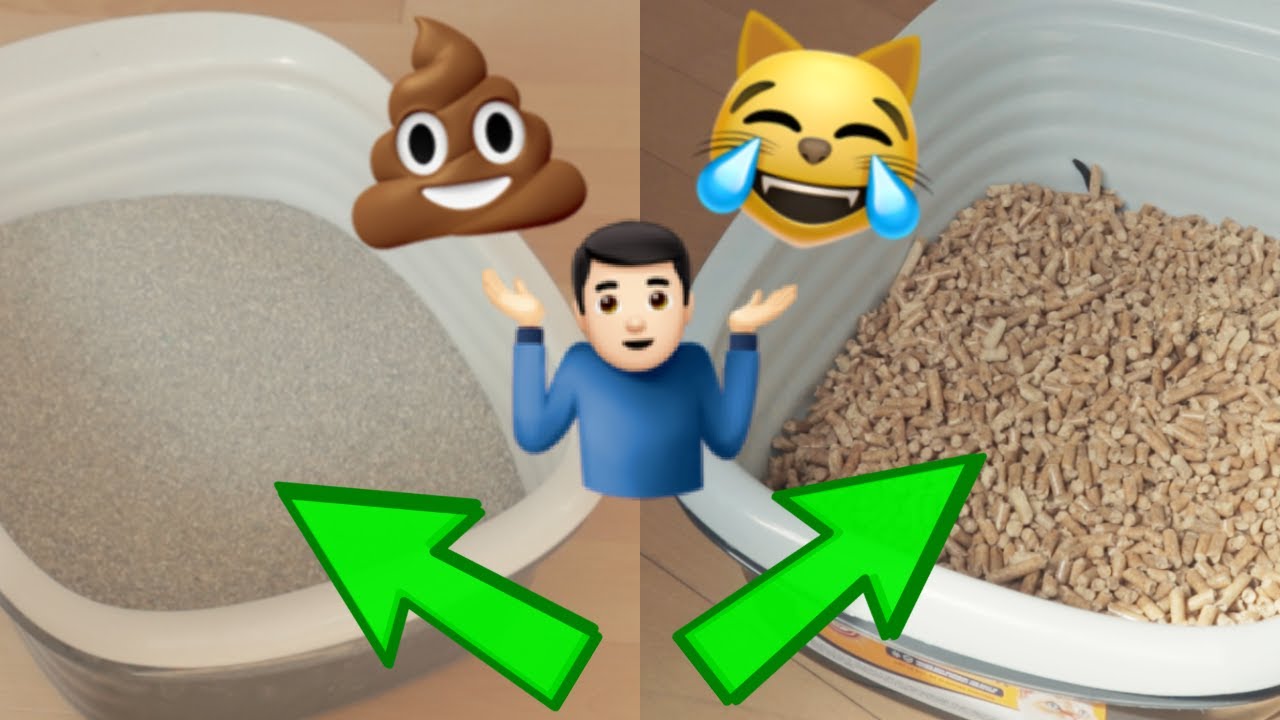
Video 1 — Watch on YouTube
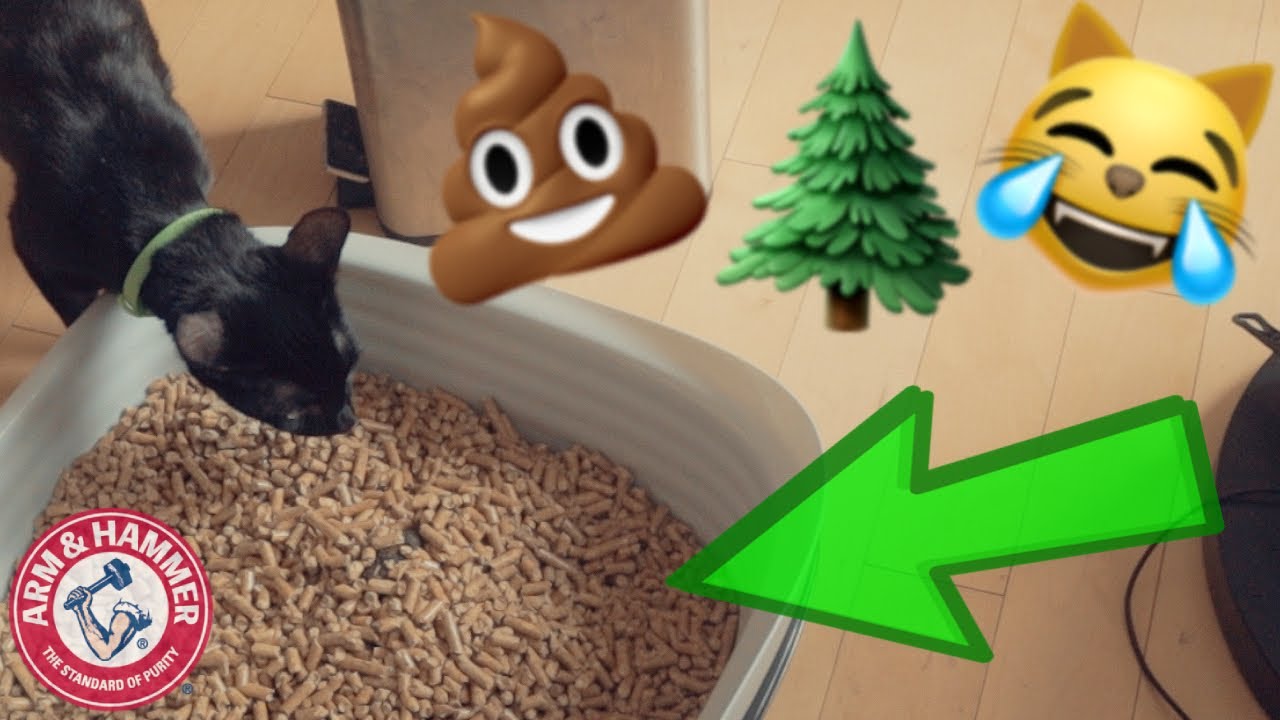
Video 2 — Watch on YouTube
After years of dealing with odor, dust, heavy waste, and constant cleaning, switching to pine pellet litter completely changed how we manage our cattery. It is cleaner, healthier, more affordable, and easier to maintain than anything we used before. For us, pine pellet litter is without question the best cat litter available — and it’s the only litter we use at AquaMarine Kittens.
All of our Ragdoll and Cherubim kittens are raised on pine pellet litter and a raw diet from day one — socialized, health-tested, and ready for your home.
Meet Our Available Kittens